Song Meaning
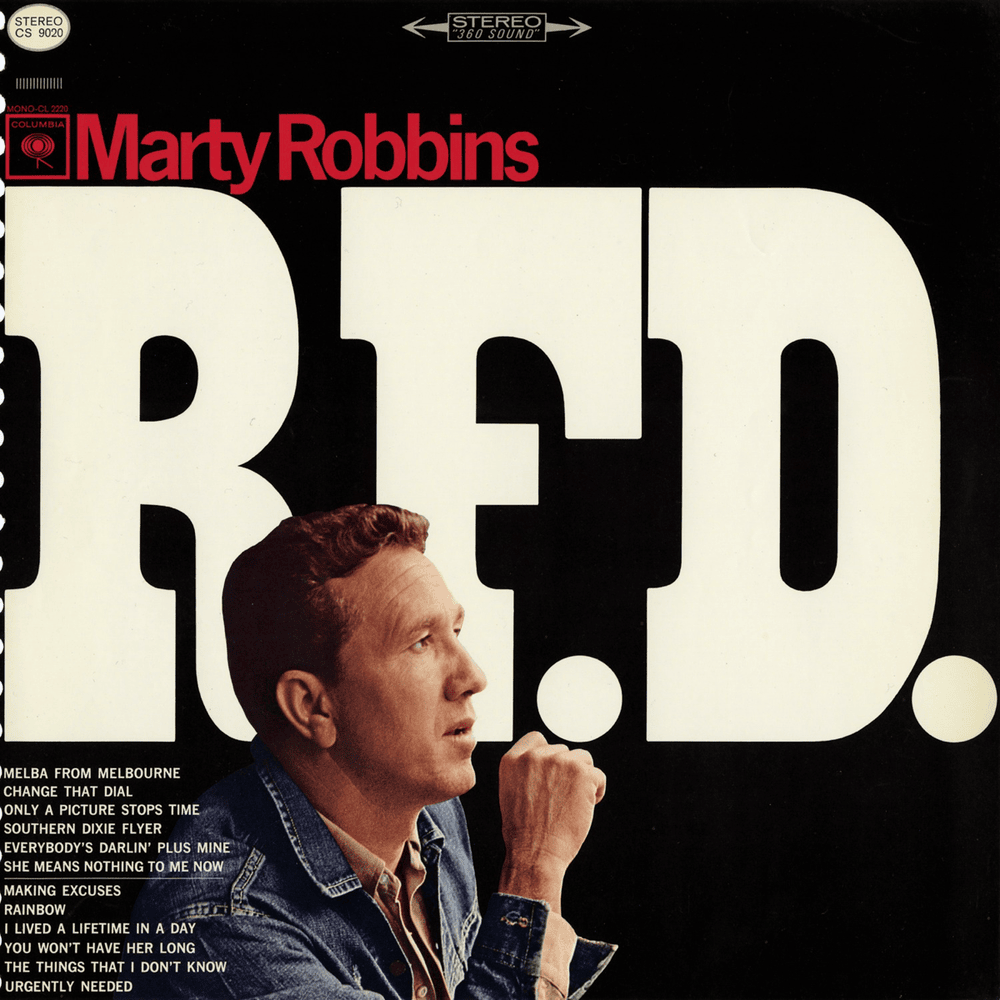
Marty Robbins' "Only a Picture Stops Time" isn't just a country lament; it's a psychological snapshot of grief and the desperate attempt to control the uncontrollable: the passage of time and the fading of love. The narrator is trapped in a loop, replaying memories triggered by photographs, clinging to frozen moments as a bulwark against the pain of a lost relationship. The repeated line, "'Cause only a picture stops time," acts as a mantra, a fragile defense mechanism against the relentless march forward. It speaks to the human desire to preserve what's gone, to deny the finality of loss by creating a static, idealized version of the past. The photograph becomes a surrogate for the absent lover, a tangible object to hold onto when reality feels unbearable.
Robbins masterfully captures the paradoxical nature of memory. While the pictures offer solace, they simultaneously amplify the narrator's suffering. Each glance is a reminder of what was, highlighting the stark contrast with the present. The line, "I live in the present and look at the past / I have no future, your love didn't last," reveals a profound sense of hopelessness and stagnation. The future is nonexistent because the narrator is so deeply entrenched in the past, unable to move forward without the former lover. The picture, therefore, becomes both a comfort and a prison, a self-imposed confinement within the walls of yesterday.
The plea, "Why I keep your picture, I hope you kept mine," adds another layer of complexity. It suggests a yearning for reciprocation, a hope that the former lover also struggles with the separation and seeks solace in shared memories. It also hints at a deeper fear: the fear of being forgotten, of one's existence being erased from the other person's life. By holding onto the photograph, the narrator attempts to maintain a connection, to ensure that the relationship, however fractured, continues to exist in some form. In the end, "Only a Picture Stops Time" is a poignant exploration of love, loss, and the human need to find meaning and connection in the face of inevitable change.
 View Artist