Song Meaning
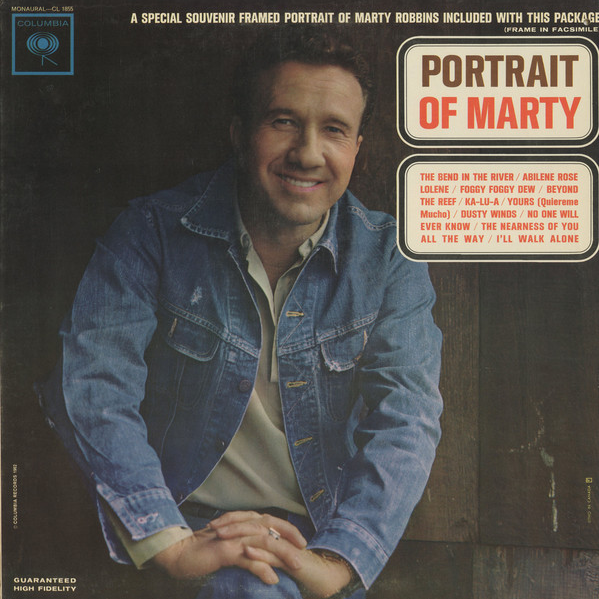
Marty Robbins' "No One Will Ever Know" isn't just a country lament; it's a masterclass in the psychology of denial. The song's emotional core lies in the speaker's determined effort to mask profound heartbreak from the world. It’s a performance of stoicism, meticulously constructed to conceal the raw pain of lost love. The repeated refrain, "no one will ever know," acts as both a promise and a desperate mantra, reinforcing the speaker's commitment to maintaining a false facade. This isn't about moving on; it's about constructing an alternate reality where love never existed, or if it did, it was easily discarded. The listener becomes complicit in the deception, privy to the truth carefully hidden from everyone else. Robbins' simple, direct lyrics amplify the sense of isolated suffering. The speaker outlines the narrative they intend to sell – a story of mutual disinterest and newfound happiness. But the hollowness of these claims is palpable, betrayed by the repeated insistence that "no one will ever know the truth but me."
The genius of the song resides in the tension between the outward performance and the inward turmoil. The speaker plans to "cry myself to sleep and wake up smiling," a stark contrast highlighting the immense effort required to maintain the charade. The lyrics suggest that hiding pain is preferable to vulnerability, hinting at a deep-seated fear of judgment or perhaps a desire to protect their own ego. This resonates with a common human tendency to present a curated version of ourselves to the world, particularly in matters of the heart. The act of concealing heartbreak becomes a form of self-preservation, even if it ultimately prolongs the healing process.
Ultimately, "No One Will Ever Know" is a poignant exploration of the masks we wear and the stories we tell ourselves (and others) to cope with loss. It speaks to the universal experience of heartbreak while also delving into the complexities of human psychology, revealing the lengths we go to protect ourselves from pain and maintain a semblance of control in the face of emotional devastation. The song's enduring appeal lies in its honest portrayal of the internal battle between vulnerability and self-preservation, a battle fought in the quiet corners of the heart where, indeed, no one else will ever truly know.
 View Artist