Song Meaning
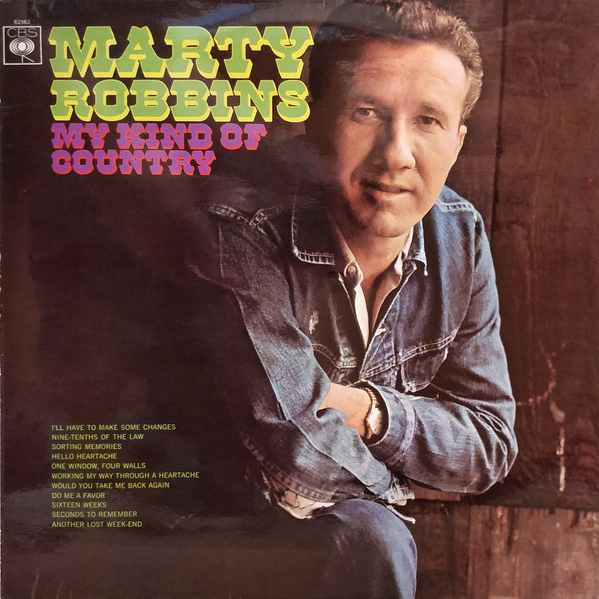
Marty Robbins' "Nine-Tenths of the Law" doesn't just tell a story of jealousy; it excavates the psychology of ownership within a failing relationship. The narrator, clinging desperately to a marriage that's clearly lost its emotional core, invokes the old adage as a justification for his possessiveness. He acknowledges the woman's love for another man, yet refuses to relinquish his legal claim, highlighting a disturbing conflation of legal rights and emotional connection. The song's power lies in its stark portrayal of a man prioritizing control over genuine affection, transforming love into a twisted game of property rights.
The repeated line, "Possession is nine-tenths of the law so they say," becomes less a legal argument and more a mantra of self-deception. He's not fighting for love; he's battling the humiliation of being replaced. The lyrics reveal a profound insecurity, masked by a veneer of legal entitlement. His plea for forgiveness, "Forgive me for bein' so selfish," rings hollow, as it's immediately followed by a restatement of his possessive intent. This isn't about love; it's about ego and the desperate need to maintain a semblance of control in a situation spiraling beyond his grasp.
Ultimately, "Nine-Tenths of the Law" offers a bleak commentary on the human tendency to cling to what's familiar, even when it causes pain to all involved. The tragedy of the song lies in the narrator's inability to recognize that love cannot be legislated or enforced. By reducing his relationship to a matter of legal ownership, he ensures its ultimate demise, proving that while possession might be a significant part of the law, it's a devastating substitute for genuine emotional connection. The song meaning underscores the destructive nature of possessiveness when it replaces love and respect.
 View Artist