Song Meaning
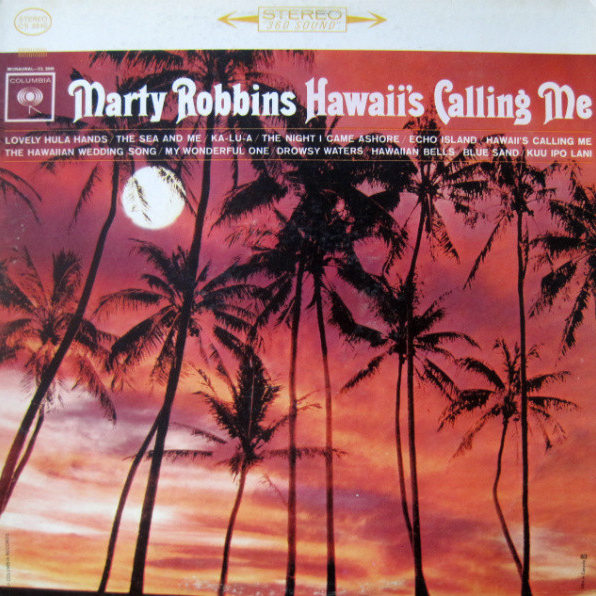
Marty Robbins's "My Wonderful One" is deceptively simple, a primal scream of longing disguised as a serenade. The laid-back tempo and crooning vocals belie the panic churning beneath the surface. This isn't just a love song; it's a portrait of codependent anxiety, a desperate plea from someone facing the abyss of abandonment. The repeated phrase "My wonderful one" becomes less a term of endearment and more a mantra, a fragile shield against the encroaching despair. Robbins paints a picture of idyllic island life shattered by impending separation. The islands themselves are personified, sharing in the narrator's grief, amplifying the sense of isolation and loss. It's a clever, almost childlike projection of inner turmoil onto the external world. The line, "The Lord only knows just how lonesome I'll be," hints at a deeper existential dread. It's not just about missing a lover; it's about confronting the fundamental human fear of being alone, adrift in a meaningless universe.
The stark repetition of "You're sailing out to the sea" drives home the feeling of helplessness. The sea, traditionally a symbol of freedom and adventure, here represents the cold indifference of fate, carrying away the narrator's anchor, their "wonderful one." The frantic urging to "hurry home" exposes the raw vulnerability at the song's core. It's not a confident declaration of love, but a desperate bargain, a whispered promise to be "good" if only the beloved will return. This isn't romance; it's a survival mechanism.
"My Wonderful One" resonates because it taps into a universal fear: the fear of being left behind. Robbins masterfully uses simple language and repetition to create a powerful emotional effect, revealing the fragility of the human heart when faced with the prospect of profound loss. It's a haunting reminder that even the most beautiful love can be tainted by the shadow of anxiety and the ever-present threat of loneliness.
 View Artist