Song Meaning
Marty Robbins' "My Happy Heart Sings" isn't striving for grand operatic gestures; it's content to exist in the quietly ecstatic realm of uncomplicated devotion. The song's lyrical simplicity—a series of vignettes capturing intimate moments—belies a sophisticated understanding of how profound joy can be found in the mundane. It's the psychological anchoring of happiness in sensory detail: the nearness of a loved one, the scent of a flower, a shared smile. These aren't just pleasant images; they're the building blocks of a secure and loving attachment. The song meaning resides not in complex narrative, but in the accumulation of small, affirming experiences. Robbins understands that genuine connection thrives in the shared appreciation of simple pleasures.
The almost childlike repetition of "And that makes my happy heart sing" acts as a mantra, reinforcing the positive feedback loop created by these interactions. It's a sonic embodiment of the way positive reinforcement strengthens bonds. The birds singing, the "mellow" heart—these are classic romantic tropes, but Robbins avoids cliché by grounding them in tangible moments. He doesn't just declare love; he shows its effect on his internal state, making the emotion feel earned rather than merely asserted. The whispered "I love you" and the promise of eternal togetherness further solidify the commitment, but the core of the song remains in the present, in the shared experience of joy.
Ultimately, "My Happy Heart Sings" is a testament to the power of presence. It suggests that lasting happiness isn't found in grand gestures or extraordinary circumstances, but in the ability to fully inhabit the small, shared moments that make up a life. The lyrics analysis reveals a celebration of the everyday miracle of love, a gentle reminder that joy often resides in the quiet spaces between the big events. It’s about recognizing, and cherishing, the emotional resonance that transforms the ordinary into the extraordinary.
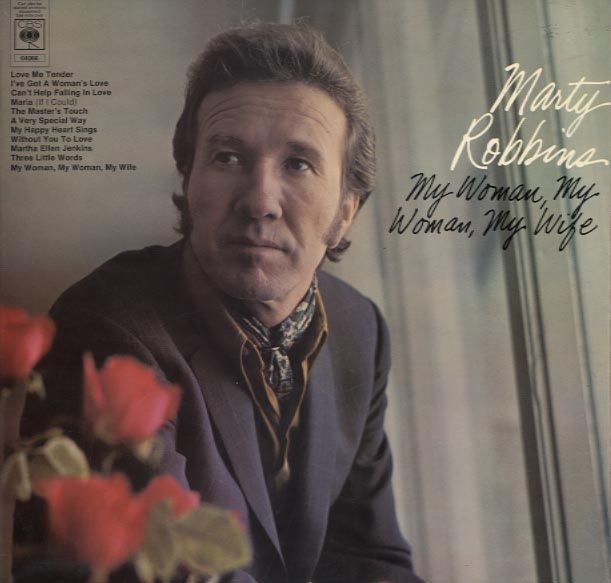
 View Artist