Song Meaning
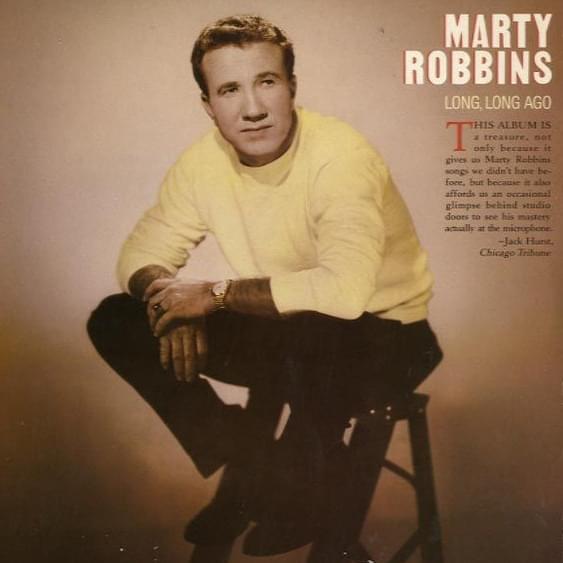
Marty Robbins's "Long, Long Ago" isn't just nostalgia; it's an aching plea against the ravages of time and fading affection. The repeated phrase, "Long, long ago," acts as a metronome, measuring the distance between a cherished past and a potentially disappointing present. The singer isn't simply reminiscing; they're actively attempting to resurrect a bygone era, urging a loved one to rekindle a flame that seems to have dwindled. The lyrics are thick with a vulnerability that feels almost desperate, a yearning to recapture the unadulterated joy and connection of youth. It's a universal fear, presented with Robbins's characteristic country sincerity.
The song’s undercurrent is the fear of change – specifically, the change within a relationship. The lines "Now you are come all my fears are removed / Let me forget for how long you have grown" speak volumes about the anxiety of seeing a loved one evolve, perhaps in ways that create distance. There’s a subtle power dynamic at play, too. The speaker is seemingly in a position of supplication, begging for a return to a previous state of adoration. The request to “Let me believe that you love as you loved” highlights the insecurity and the potential for heartbreak lurking beneath the surface of the sweet melody. It’s the sound of someone fighting against the inevitable entropy of love.
Ultimately, "Long, Long Ago" transcends simple sentimentality. It's a poignant exploration of memory, desire, and the often-painful reality that nothing gold can stay. The lyrics subtly hint at a possible betrayal of a promise ("Ah yes, you told me you'd never forget"), adding a layer of bitterness to the longing. The final verse, recalling a time when the speaker's smile was preferred above all others, is a stark reminder of what has been lost, or at least, what the singer fears is slipping away. It's a song that resonates because it taps into the universal human experience of grappling with the passage of time and the fragility of love.
 View Artist