Song Meaning
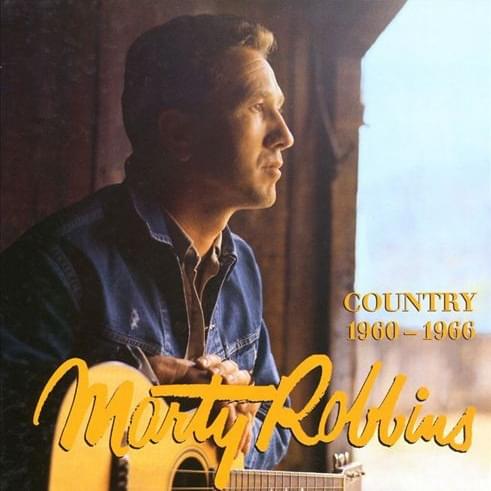
Marty Robbins' "Little Robin" isn't just a simple bird song; it's a masterclass in projecting human heartbreak onto the natural world. The lonely robin becomes a mirror, reflecting the singer's own desolation after a lover's departure. Robbins, a country music icon, taps into a primal feeling of abandonment, using the bird as a symbol of shared solitude. The genius of the song lies in its simplicity. The lyrics aren't flowery or overwritten; instead, they speak directly to the listener's core vulnerability. The question, "Little robin are you ever lonely and blue," is less about ornithology and more about seeking validation for one's own pain. It's a desperate attempt to find kinship in the face of romantic loss. This "Little Robin" lyrics analysis reveals a yearning for connection and understanding.
The image of the robin perched high in the tree, isolated and seemingly forlorn, perfectly embodies the singer's own precarious emotional state. "Like you little robin I'm out on a limb," he confesses, acknowledging the vulnerability and instability that come with heartbreak. The repeated lines underscore the depth of his despair and the cyclical nature of his grief. Seeing his former lover with someone else is a recurring torment, a fresh wound that keeps the pain alive. The invitation to the robin – "Won't you be friendly and sit here with me" – is a poignant expression of loneliness, suggesting that even the smallest connection could offer solace.
Ultimately, "Little Robin" explores the universal human experience of heartbreak and the search for empathy in unexpected places. The song's enduring appeal stems from its raw honesty and its ability to tap into the listener's own feelings of isolation and longing. The "Little Robin" song meaning resides in its simple yet profound portrayal of a man seeking solace in the natural world, finding a kindred spirit in a lonely bird. It’s a reminder that even in our darkest moments, we are not truly alone; others, even the smallest of creatures, share our pain.
 View Artist