Song Meaning
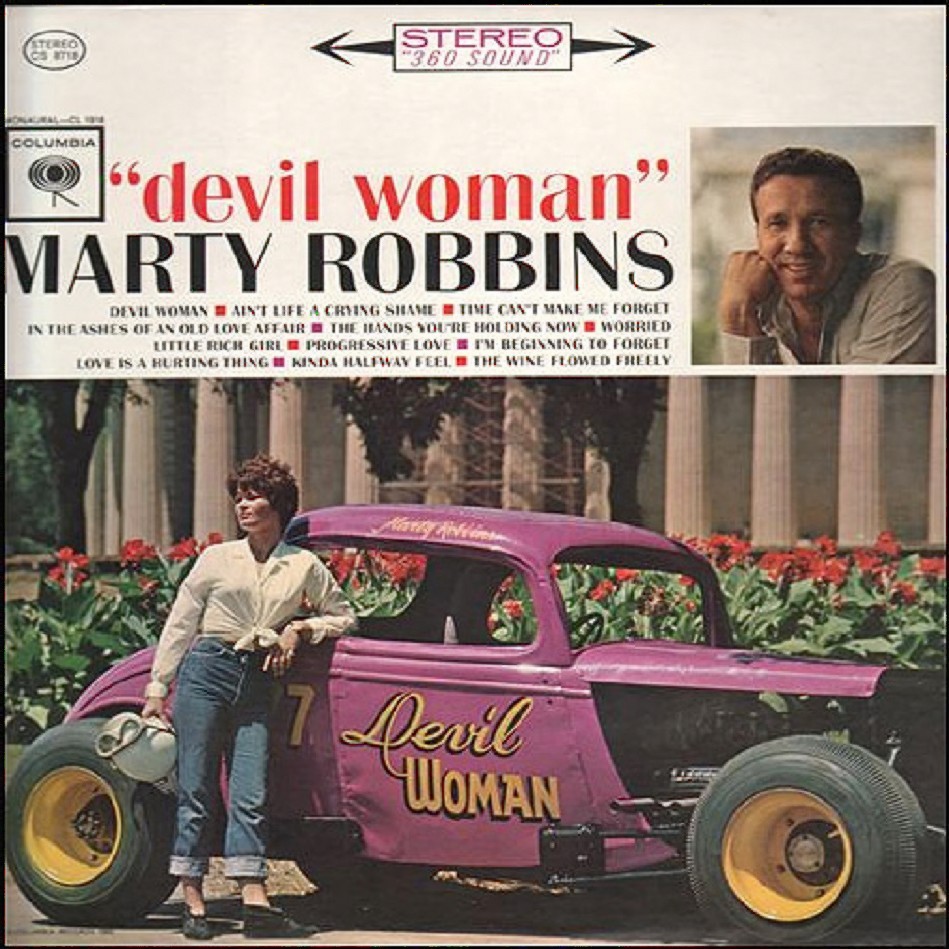
Marty Robbins' "Little Rich Girl" isn't a sneering indictment of wealth, but a melancholic concession speech from a lover outmatched by circumstance. The song meaning resides in the chasm between genuine affection and the perceived impossibility of bridging a socioeconomic divide. It's a classic country trope—the humble man and the woman from 'the right side of the tracks'—but Robbins imbues it with a quiet dignity, avoiding bitterness in favor of resigned acceptance. The lyrics paint a stark picture: he possesses only love, a currency rendered worthless against her "nice things." The refrain, "Little rich girl, you're too good for me," isn't a compliment; it's a self-inflicted wound, a preemptive strike against inevitable heartbreak.
Robbins masterfully uses the language of blessing and well-wishing to amplify the narrator's pain. He hopes "the warm winds of love keep your world all aglow," a sentiment dripping with irony considering his own impending loneliness. The contrast between her potential happiness and his looming despair underscores the perceived inequity of their situations. The "cold, chilly winds" he wishes to spare her are, implicitly, the very winds he anticipates will soon buffet his own existence. This juxtaposition is the core of the song's emotional power.
"Little Rich Girl" resonates because it taps into primal anxieties about worthiness and belonging. It's a study in the psychology of perceived inadequacy, where love becomes a casualty of class. The song isn't about the girl's flaws, but the narrator's perceived shortcomings. Ultimately, the song's impact lies in its unflinching portrayal of a love story undone not by malice or betrayal, but by the quiet, crushing weight of economic disparity.
 View Artist