Song Meaning
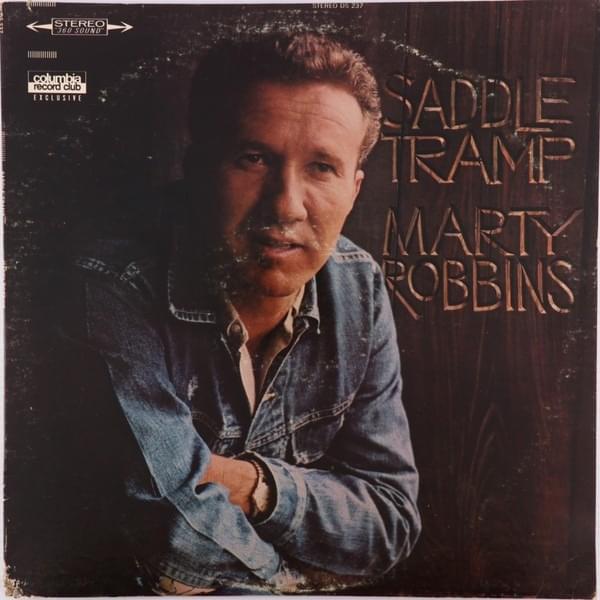
Marty Robbins, an artist celebrated for his narrative storytelling in song, especially within the country and Western genres, here delivers a vibrant, albeit brief, serenade with "La Paloma." The song, sung in Spanish, immediately evokes a sense of departure and longing, cloaked in the guise of a traditional folk melody. The opening lines establish a clandestine exit from Havana, immediately setting a tone of secrecy or perhaps even escape. The singer's attention is captured by a beautiful "guachinanga," a term that suggests a young, charming woman, who follows him. This encounter seems to fuel the emotional core of the song.
The pre-chorus is where the song's central metaphor takes flight. The dove, or "paloma," becomes a symbol of the singer himself, an emissary of love and longing. He urges the object of his affection to treat the dove with kindness, to share her secrets and adorn it with flowers, effectively projecting his own desires onto this symbolic creature. This is a classic example of displacement, where the singer indirectly expresses his feelings by attributing them to an external object. The dove becomes a stand-in for his own vulnerability and yearning.
The chorus reinforces the singer's direct appeal. "Ay, chinita que sí, ay, que dame tu amor" is a passionate plea for affection, an invitation to join him "a donde vivo yo," wherever that may be. The repetition of the pre-chorus and chorus underscores the intensity of his feelings and the cyclical nature of longing. "La Paloma," through its simple yet evocative lyrics and melody, captures the universal human experience of yearning and the lengths to which we go to express our deepest emotions, even if it means transforming ourselves into a humble dove.
 View Artist