Song Meaning
Marty Robbins' "Kneel And Let The Lord Take Your Load" isn't just a gospel tune; it's a stark, almost desperate plea for spiritual outsourcing. Stripped down to its core, the song meaning revolves around the relinquishing of personal agency in the face of overwhelming adversity. Robbins paints a world saturated with "trouble" and inescapable "evil," leaving the listener cornered and, crucially, disempowered. The constant refrain, "Kneel and let the Lord take your load," becomes less an invitation and more a directive, a survival mechanism in a hostile reality. This isn't about finding inner strength; it's about acknowledging its utter absence and seeking external intervention. The repeated emphasis on temptation suggests an internal battle already lost, framing faith not as a source of personal resilience but as a necessary bailout.
The lyrics subtly construct a dichotomy between individual fallibility and divine infallibility. Phrases like "temptation maybe great don't weaken for your sake" hint at the perceived inadequacy of human willpower. The song bypasses the messy, complicated process of self-improvement, offering instead a direct line to a higher power. The "mighty hand of God" is presented as unwavering and dependable, in stark contrast to the individual's perceived weakness and susceptibility to sin. This creates a power dynamic where salvation is contingent on complete surrender. The act of kneeling itself becomes symbolic, a physical manifestation of submission and the acknowledgement of one's own powerlessness.
Ultimately, "Kneel And Let The Lord Take Your Load" is a powerful, if unsettling, exploration of faith as a response to existential dread. It's a song born not from triumph, but from a place of deep vulnerability, where the only viable option is to offload the unbearable weight of existence onto something greater. While some may find solace in this message of divine support, others might interpret it as a cautionary tale about the dangers of relinquishing personal responsibility and the seductive allure of external validation in the face of life's challenges.
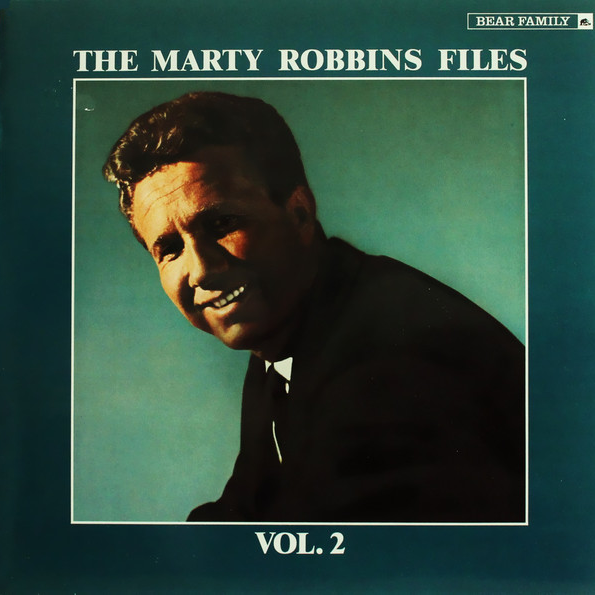
 View Artist