Song Meaning
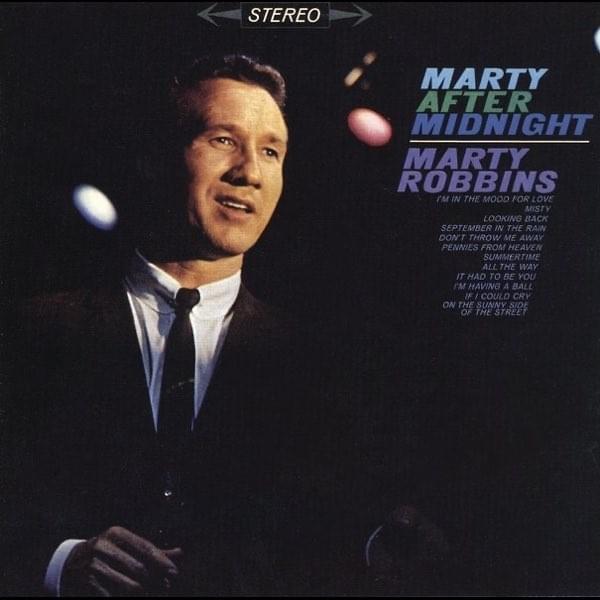
Marty Robbins's rendition of "I'm In the Mood for Love" isn't just a song; it's an encapsulation of the intoxicating immediacy of desire. The song meaning resides not in complex narratives, but in the sheer, unadulterated feeling of being completely consumed by another person's presence. It's the kind of infatuation that makes the world outside shrink to insignificance. The lyrics don't tell a story so much as they paint a portrait of a singular emotional state, one where reason takes a backseat to raw, overwhelming emotion. The repetition of the title phrase underscores this obsessive focus, hammering home the idea that the singer's entire being is currently defined by this singular, all-consuming feeling. This isn't about long-term commitment or even necessarily deep connection; it's about the electric charge of proximity.
The beauty of "I'm In the Mood for Love" lies in its willingness to embrace the ephemeral nature of the feeling it describes. The lines about not thinking about whether "this little dream might fade" speak to a conscious choice to live in the moment, to prioritize the immediate pleasure over any potential future pain. It's a kind of romantic hedonism, a deliberate decision to surrender to the overwhelming power of the present. This isn't naivete so much as it is an act of defiance against the anxieties and uncertainties of life. The singer acknowledges the possibility of clouds and rain, but chooses to ignore them, focusing instead on the warmth and comfort of the shared moment.
Ultimately, Robbins's version of "I'm In the Mood for Love" isn't just a declaration of romantic interest; it's a celebration of the power of human connection to transcend the mundane. The lyrics analysis reveals a yearning for escape, a desire to find solace and joy in the presence of another. The repeated assertion that "heaven is in your eyes" isn't just a compliment; it's an indication of the transformative power of love, the ability of another person to make the world feel brighter, more vibrant, and more meaningful. It's a testament to the idea that sometimes, the simplest emotions are the most profound.
 View Artist