Song Meaning
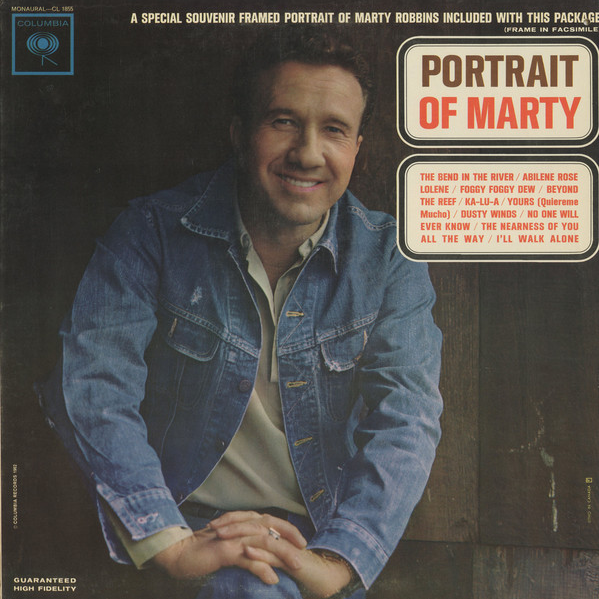
Marty Robbins's "I'll Walk Alone" isn't a simple declaration of solitude; it's a complex negotiation within a relationship facing imposed separation. The surface reading suggests heartbreak, a lover resigned to their fate. But scratch a little deeper, and the lyrics reveal a codependent yearning, a desperate attempt to maintain connection across distance. He's not just walking alone; he's *choosing* to walk alone, framing it as a noble sacrifice fueled by the hope – or perhaps the delusion – that his partner feels the same loneliness. This isn't empowerment; it's a carefully constructed narrative designed to guilt the other person into reciprocation. The repeated phrase "I'll walk alone" becomes less about stoic acceptance and more about a performative martyrdom. The loneliness isn't the problem; the *shared* loneliness is the desired outcome.
The song's emotional core rests on the tension between physical separation and imagined intimacy. Robbins sings, "I'll always be near you wherever you are… Just close your eyes and I'll be there." This isn't just romantic sentiment; it's a blurring of boundaries, an insistence on psychic connection that transcends reality. He's weaponizing absence, turning it into a constant, spectral presence. The request for the partner to "walk alone and send your love" solidifies this dynamic. It's not enough for them to simply miss him; they must actively participate in the ritual of shared solitude, sending their love and kisses as psychic breadcrumbs to guide him. This creates a feedback loop of longing and dependency, ensuring that neither party truly moves on.
Ultimately, the song meaning of "I'll Walk Alone" hinges on the listener's interpretation of the speaker's motivations. Is this a selfless act of love, a willingness to endure hardship for the sake of the beloved? Or is it a more manipulative strategy, a way to maintain control and ensure the partner's continued emotional investment? The ambiguity is the song's genius. It taps into our own anxieties about love, loss, and the delicate balance between independence and connection. Robbins presents a scenario where walking alone becomes a twisted form of togetherness, a haunting reminder of the ties that bind, even when distance threatens to break them.
 View Artist