Song Meaning
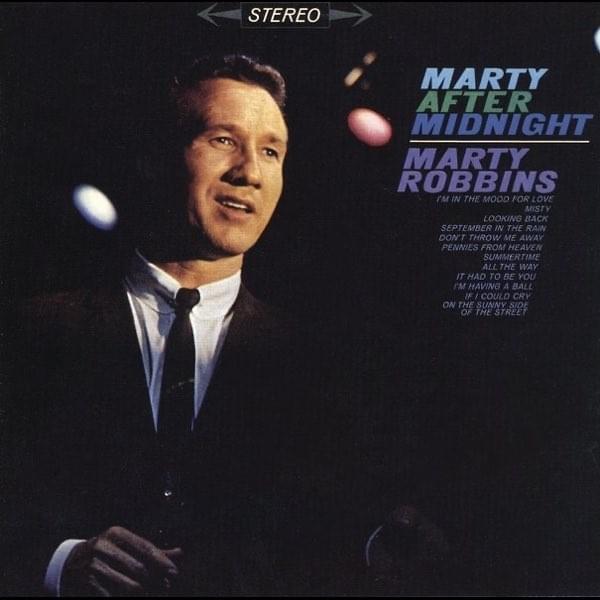
Marty Robbins' "If I Could Cry" is a study in repressed grief, a lament choked by stoicism. The song's power lies in its central paradox: the speaker desperately *wants* to cry, viewing tears as a release, a necessary valve to "ease this achin' heart inside." But the tears remain locked away, inaccessible. This inability to outwardly express sorrow becomes a defining characteristic, hinting at a deeper emotional constraint. The lyrics suggest a struggle with vulnerability, a fear of exposing the depth of his pain.
The core of the song meaning resides in the line, "But the hurt is just too deep to show / I guess it's just my pride." This isn't merely about superficial machismo; it points to a learned behavior, a defense mechanism built to withstand hardship. The "pride" mentioned acts as a dam, preventing the natural flow of emotion. The lost love is clearly profound ("none can take your place"), yet the speaker is trapped in a cycle of longing and repression. He recognizes the need to "let go," but the emotional weight is too great to bear openly.
The recurring lines about a tear "start[ing] to form" are particularly poignant. It's not a complete absence of feeling, but rather an agonizing near-miss. The memory of the loved one is "warm," suggesting genuine affection, but even that warmth is not enough to break through the wall of self-control. The final declaration, "Until I die I guess that / I will never cry for you," is not a boast, but a bleak acceptance of his fate. "If I Could Cry" becomes a portrait of a man imprisoned by his own emotional limitations, forever haunted by a love he can neither fully embrace nor release.
 View Artist