Song Meaning
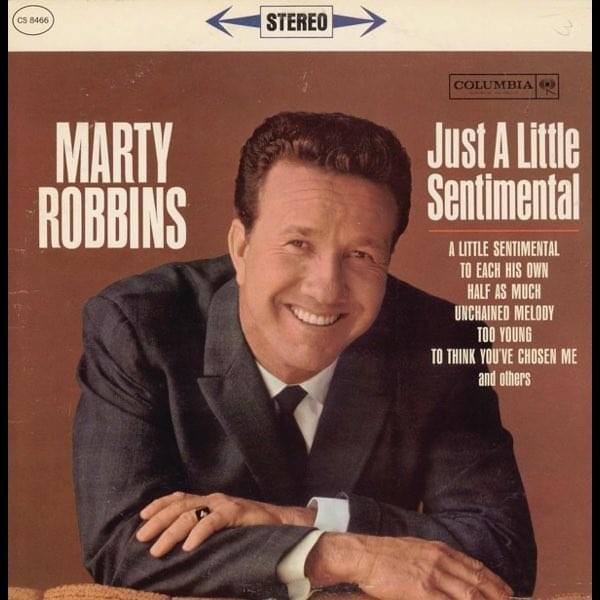
Marty Robbins’ "I Can't Help It (If I'm Still in Love with You)" isn’t a song about love, it’s about the quiet, agonizing prison of unrequited longing. The core of the song meaning lies in that desperate titular confession: a surrender to a feeling the singer knows he shouldn't have, a love he can't control. It's a portrait of someone caught in the amber of yesterday, unable to move past a relationship that clearly ended for one party, but not the other. The casual, almost accidental nature of the encounter – "Today I passed you on the street" – underscores the vulnerability. This isn't a grand, theatrical display of heartbroken emotion, but a raw, exposed nerve.
The lyrical imagery focuses on the excruciating details of seeing a former lover moving on. The observation that "Somebody else stood by your side / And he looked so satisfied" is a particularly brutal blow, highlighting the singer's own lack of satisfaction and the implied happiness his former partner has found elsewhere. It's the kind of everyday encounter that can unravel years of carefully constructed emotional defenses. The brushed arm, the fleeting moment of physical contact, unleashes a flood of memories and emotions – "Then suddenly I've got that old time feelin'." This isn't a conscious choice; it's a primal reaction, a regression to a time when the relationship was still alive.
Ultimately, "I Can't Help It" explores the deeply human struggle between reason and emotion. The singer knows, intellectually, that he should move on, that his love is no longer reciprocated. Yet, the heart, as it often does, refuses to cooperate. The repetition of "I can't help it" isn't an excuse, but an admission of defeat. It's the sound of someone trapped in a loop of longing, a prisoner of their own affections. The lyrics analysis reveals a narrative not of active pursuit or hope, but of resigned acceptance of a painful, unchanging truth: that some loves linger long after they should, haunting us with the ghosts of what once was.
 View Artist