Song Meaning
Marty Robbins's "Hurt" isn't just a lament; it's a masterclass in emotional self-immolation. The stark simplicity of the lyrics—"I'm hurt to think that you lied to me / Hurt way down deep inside of me"—belies the complex psychological landscape being painted. We're not simply witnessing heartbreak, but the specific, agonizing realization of betrayal. The repetition of "hurt" drills the emotion into the listener's psyche, moving beyond surface-level sadness into something almost masochistic. The narrator seems to almost revel in the pain, as if it's the only tangible connection left to the departed lover. He is stuck in an endless loop of anguish. This isn't just a broken heart; it's a fractured identity.
The second verse deepens the sense of self-inflicted agony. The line "Hurt much more than you'll ever know / Hurt because I still love you so" reveals the core paradox: love, the supposed source of joy, has become the instrument of torture. The narrator isn't just mourning the loss of a relationship; he's grappling with the irrational persistence of his own affection. This speaks to the often-unacknowledged truth about heartbreak: it's not always about the other person, but about the stubborn refusal of our own hearts to let go. The depth of the hurt is directly proportional to the intensity of the love that remains.
Ultimately, "Hurt" transcends the standard country ballad trope. The willingness to absorb pain rather than inflict it—"Even though you've hurt me like no one else can do / I could never know never hurt you"—suggests a profound, if perhaps misguided, sense of moral superiority. The narrator elevates himself, paradoxically, through his own suffering. He chooses to bear the burden of heartbreak rather than inflict it on another, even the one who caused it. This could be interpreted as nobility, or perhaps a form of self-deception, a way to rationalize the pain and maintain a sense of control in a situation where he has none. Either way, Marty Robbins delivers a haunting exploration of love, loss, and the complex psychology of hurt.
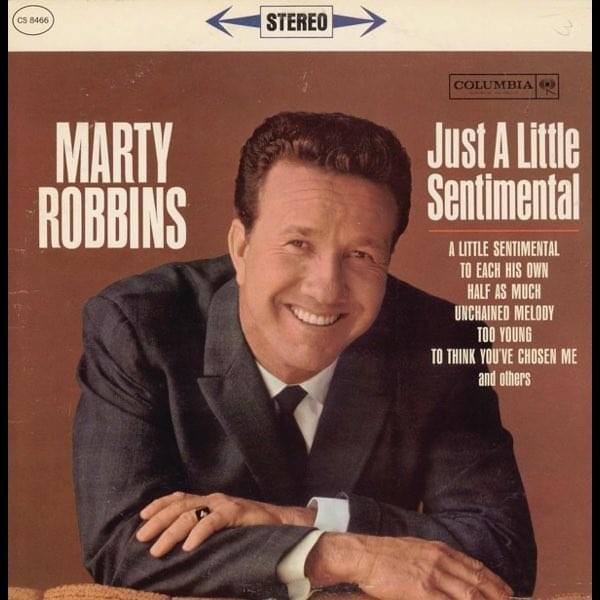
 View Artist