Song Meaning
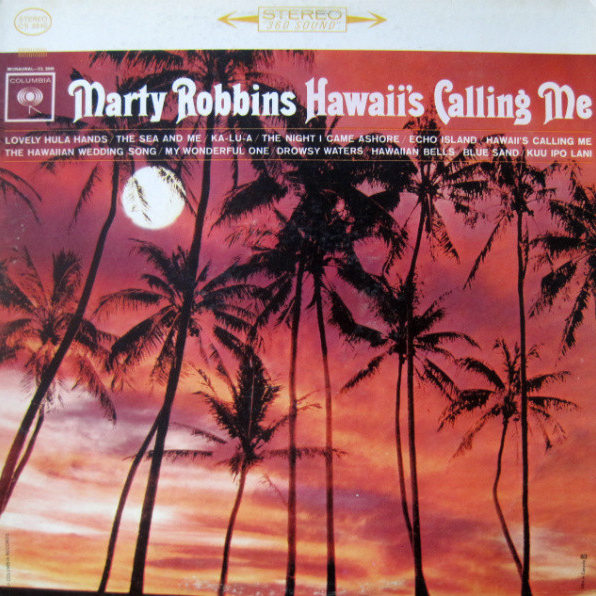
Marty Robbins' "Hawaiian Bells" is a deceptively simple song, a sentimental farewell framed by the lush, romantic imagery of Waikiki. On the surface, it's a plea against finality, a lover's insistence that 'goodbye' isn't truly goodbye. The repeated request, "Don't sing Aloha when I go," underscores a fear of permanent separation, a desire to keep the flame of connection flickering even in absence. The 'Aloha' here isn't just a greeting; it's a cultural signifier of closure, a symbolic severing that the singer desperately resists. It's a fascinating contrast to the often-celebratory use of Hawaiian themes in popular music; Robbins uses the setting as a backdrop for a more vulnerable, insecure emotion. The steel guitar evokes the bittersweet ache of parting, and enhances the feeling of being romantically stranded.
The singer's promise to "dream of you in Waikiki" reveals a yearning for a shared paradise, a mental refuge where the relationship remains vivid and alive. Waikiki transforms from a physical location into a symbolic space, a personalized Eden accessible only through memory and longing. The repetition of these lines throughout the song reinforces the cyclical nature of hope and anxiety inherent in long-distance relationships. It speaks to the human tendency to cling to familiar comforts, to create mental landscapes that soften the harsh edges of reality.
Ultimately, "Hawaiian Bells" isn't just a postcard from paradise; it's a poignant exploration of the human need for reassurance in the face of inevitable change. The simplicity of the lyrics belies a deeper emotional complexity, revealing a universal fear of loss masked by the sweet melodies and idyllic setting. Robbins captures the fragile balance between acceptance and denial, the delicate dance between letting go and holding on, all wrapped in the gentle sway of Hawaiian sentimentality.
 View Artist