Song Meaning
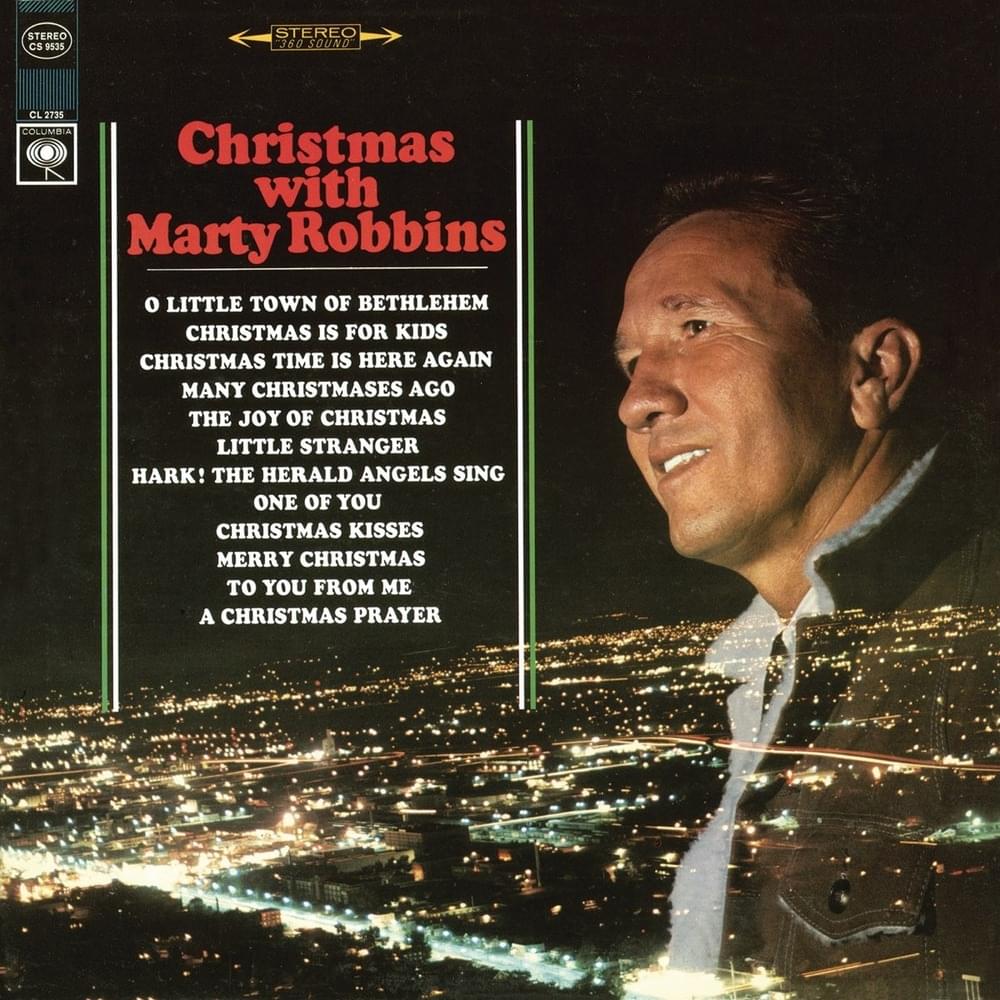
Marty Robbins' rendition of "Hark! The Herald Angels Sing" isn't just a Christmas carol; it’s a meticulously constructed theological statement set to a soaring melody. Stripped of modern cynicism and performed with a sincerity that cuts through the noise, the song’s meaning resides in its direct, unwavering proclamation: the birth of Christ as a moment of profound reconciliation. The repeated refrain, "Glory to the newborn King!," acts as both an exultant cry and a grounding mantra, anchoring the listener to the central theme of divine grace entering the human sphere. It's less a song *about* Christmas and more a sonic embodiment of the holiday's core religious tenet. Robbins, whether consciously or not, taps into the primal human desire for redemption, offering it here not as a complex philosophical puzzle, but as a simple, joyous declaration. This isn't a passive listening experience; it's an invitation to participate in the 'triumph of the skies.'
Delving deeper into the lyrics analysis, the song cleverly juxtaposes grand pronouncements with intimate details. Phrases like "Peace on earth, and mercy mild" paint a broad stroke of universal salvation, while the image of Christ "risen with healing in his wings" offers a more personal, almost tender, vision of divine intervention. This push and pull between the macro and micro, the cosmic and the individual, is crucial to understanding the song's enduring appeal. It speaks to both the collective yearning for a better world and the individual's need for personal solace. The notion of being "reconciled" speaks to a fundamental human condition: the inherent feeling of separation, whether from God, self, or others. The lyrics suggest that the birth of Christ offers a pathway to bridge these divides.
Ultimately, the enduring power of "Hark! The Herald Angels Sing," especially as interpreted by an artist like Marty Robbins, lies in its unwavering faith. It's a song that refuses to shy away from its central message, instead embracing it with open arms. The song's meaning transcends mere religious dogma; it speaks to a deeper human desire for hope, connection, and, ultimately, redemption. Robbins’ delivery, steeped in a certain mid-century earnestness, further amplifies this message, offering a moment of respite from a world often characterized by complexity and doubt. The song invites us to embrace a narrative of hope, even if just for a fleeting three minutes, and to find solace in the possibility of a "second birth."
 View Artist