Song Meaning
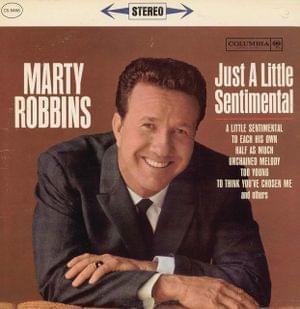
Marty Robbins' "Half As Much" isn't just a lament; it's a carefully constructed study in emotional imbalance. The song meaning revolves around a core disparity: the singer's intense devotion against the lukewarm affection he receives in return. The lyrical architecture hinges on the repeated "half as much" construct, a simple yet devastating measure of unreciprocated love. It's the kind of sentiment that burrows deep, resonating with anyone who's ever felt the sting of loving harder than they are loved back. Robbins doesn't just state the disparity, he meticulously quantifies it, turning longing into a painful equation.
The genius of the song lies in its understated delivery. Robbins avoids histrionics, opting instead for a quiet resignation that amplifies the emotional impact. Lines like "You're nice to me when there's no one else around / You only build me up to let me down" speak volumes about the inconsistent and ultimately unreliable nature of the affection he craves. The lyrics paint a picture of someone caught in a cycle of hope and disappointment, clinging to fleeting moments of validation while simultaneously bracing for the inevitable letdown. This push-pull dynamic is central to the song's enduring appeal, capturing the universal experience of navigating the treacherous waters of uneven relationships.
Ultimately, "Half As Much" transcends a simple tale of unrequited love. It becomes an exploration of self-worth and the lengths we go to for validation. The concluding repetition, "I know that I could never be this blue / If you only loved me half as much as I love you," drives home the crushing weight of the imbalance. It is not just about the absence of love but also about the singer's acute awareness of his own diminished state. Robbins's song is a masterclass in emotional economy, proving that sometimes, the most profound statements are made not with grand pronouncements, but with quiet, measured honesty.
 View Artist