Song Meaning
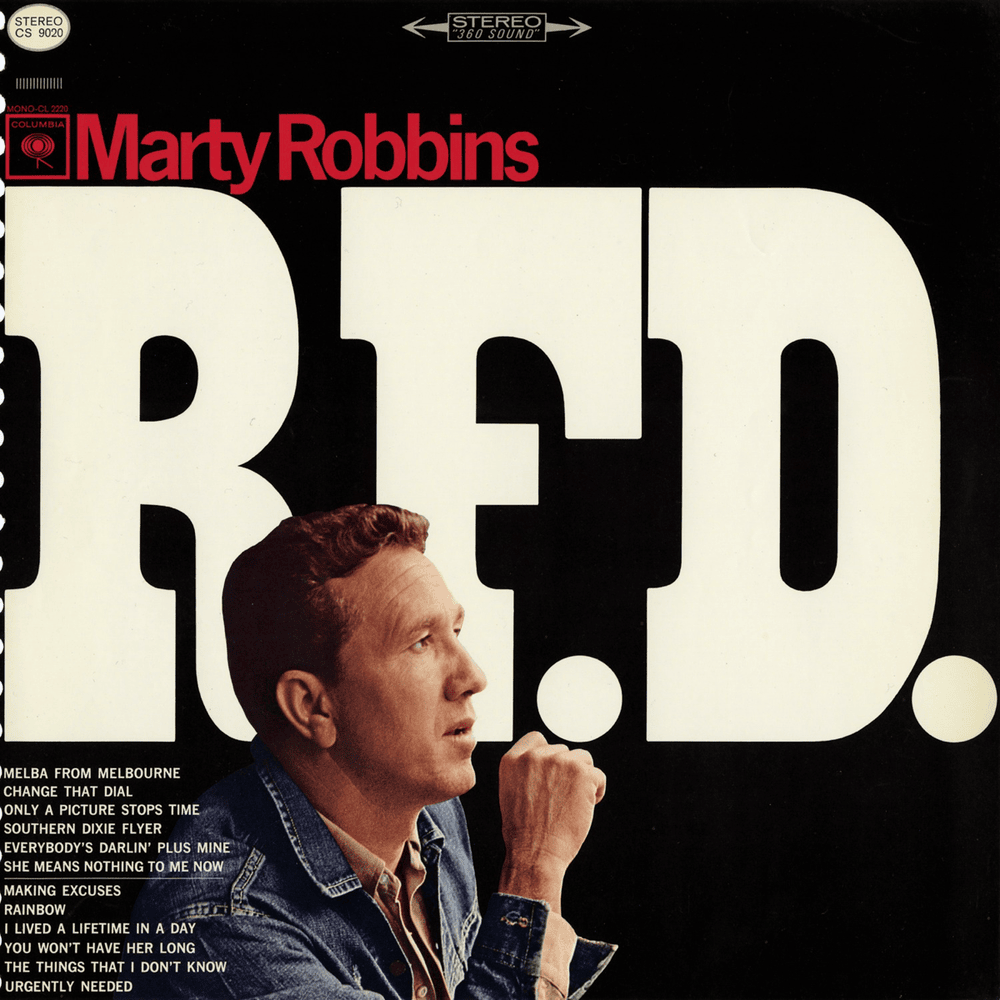
Marty Robbins's "Change That Dial" isn't just a plea to silence a radio; it's a raw, immediate snapshot of regret. The song's core revolves around the crushing weight of betrayal and the inescapable reminders that linger in its wake. The simple act of hearing a once-beloved song becomes an agonizing trigger, each note a sharp jab at the protagonist's conscience. It's not the song itself that's painful, but what it represents: a lost innocence, a fractured bond, and the stark realization of his own moral failing. Robbins distills the complex emotions of guilt and longing into a universally relatable experience. The repetition of the chorus, "Change the dial, turn off that song / It reminds me of somethin' I've done / Somethin' so wrong," underscores the obsessive nature of remorse, the way a single mistake can replay endlessly in the mind.
The lyrics analysis reveals a man haunted by his past actions. He acknowledges the "real true love" he once possessed and the goodness of his partner, amplifying the sting of his infidelity. The line, "What made me step across the line / What was I thinkin' of," is a desperate, unanswered question, a glimpse into the self-recrimination that fuels his present suffering. The song they "used to sing" now stands as a symbol of what was lost, a testament to the irreparable damage caused by his transgression. It's a stark portrayal of how shared experiences, once sources of joy, can become sources of profound pain when tainted by regret.
Ultimately, "Change That Dial" is a masterclass in emotional economy. Robbins doesn't delve into elaborate explanations or justifications. Instead, he focuses on the visceral impact of a single sensory trigger – a song – to convey the depth of his character's remorse. The song's brevity and directness only amplify its power, leaving the listener to fill in the blanks and grapple with the universal themes of love, loss, and the enduring consequences of our choices. The raw vulnerability in Robbins's delivery makes it clear that this isn't just a story; it's a confession, a desperate attempt to find solace from the echoes of a mistake that continues to haunt him.
 View Artist