Song Meaning
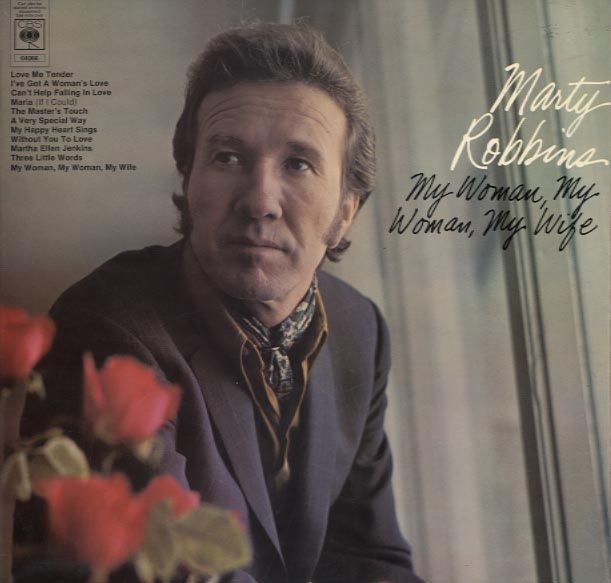
Marty Robbins' rendition of "Can't Help Falling in Love" isn't just a love song; it's an admission of surrender to the inevitable. The opening line, "Wise men say only fools rush in," immediately sets up a conflict between reason and raw emotion. The narrator acknowledges the potential recklessness of diving headfirst into love, yet confesses his powerlessness to resist. This isn't a boastful declaration of affection, but a vulnerable admission of being swept away, defying logic and societal expectations. The beauty of this performance, and the song's enduring appeal, lies in the universality of that feeling. It speaks to the moments when our carefully constructed defenses crumble against the force of genuine connection.
The lyrics use natural imagery to amplify this sense of inevitability. The comparison of love to a river flowing "surely to the sea" suggests a preordained path, a force beyond individual control. It's not a matter of choice, but of destiny. The repetition of "Some things were meant to be" reinforces this idea, hinting at a belief in fate or a higher power guiding the relationship. This isn't simply about infatuation; it's about a profound sense of rightness, a feeling that the connection is somehow written in the stars.
Ultimately, "Can't Help Falling in Love" explores the tension between free will and the overwhelming power of emotion. It's a recognition that sometimes, the most profound experiences are the ones we least expect and cannot control. The narrator's plea to "take my hand, take my whole life too" is not a demand, but an offering – a complete and willing surrender to the current of love, regardless of the perceived risks. It's a testament to the idea that true love transcends rationality, compelling us to embrace the unknown with open hearts.
 View Artist