Song Meaning
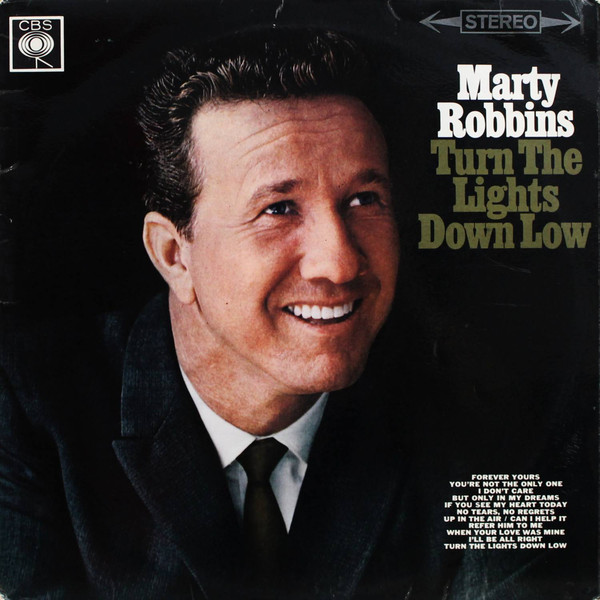
Marty Robbins’ plaintive question, "Can I Help It," isn't so much a query as it is a quiet, desperate accusation leveled at the universe itself. The song is an encapsulation of the uniquely human experience of unwanted, unrequited love, the kind that blooms despite our better judgment and festers in the face of indifference. Robbins doesn't explore the *why* of this love, only the agonizing *what now*. The lyrics aren't concerned with the object of affection's flaws or virtues; they are laser-focused on the speaker's internal struggle to reconcile feeling with reality. The 'springtime' metaphor, though familiar, hits with a particular sting here. It represents not just a time of blossoming but also a period now irrevocably tainted by the knowledge that this 'springtime' led to a barren, loveless autumn. The hook, "Can I help it that I fell in love with you," becomes an existential plea, a challenge to the very notion of free will when confronted with the capricious nature of the human heart.
The repetition of this central question underscores the speaker's helplessness. It's a rhetorical device, of course, but also a window into a mind trapped in a loop of self-reproach and longing. The line "Though I knew, somehow, this love could never be" adds a layer of tragic irony. The speaker wasn't blindsided; they entered this emotional landscape with eyes wide open, fully aware of the potential for heartbreak. This awareness only amplifies the pain, transforming the song from a simple lament into a study of self-inflicted emotional wounds. The persistent clinging to a 'dream that won't come true' suggests a stubborn refusal to accept reality, a common psychological defense mechanism against the pain of loss. It's a form of denial, a desperate attempt to maintain a connection, however tenuous, to the object of affection.
Ultimately, “Can I Help It” is less a country ballad and more a miniature psychodrama set to music. It explores the complex interplay of desire, resignation, and the enduring power of hope, even in the face of overwhelming evidence to the contrary. The song's meaning resonates because it taps into a universal fear: the fear of loving someone who will never love you back, and the agonizing question of whether we can ever truly control the unruly whims of our own hearts. Marty Robbins, with his signature vocal delivery, transforms this personal torment into a shared experience, making “Can I Help It” a timeless exploration of the human condition.
 View Artist