Song Meaning
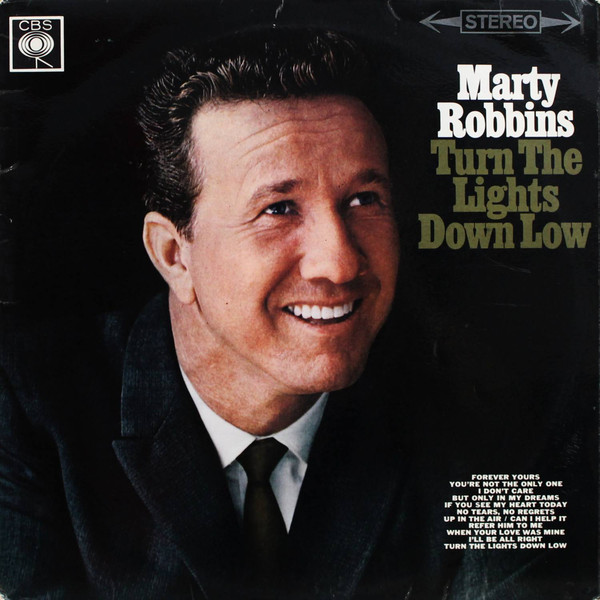
Marty Robbins' "But Only in My Dreams" isn't just a lonesome croon; it's a masterclass in romantic delusion, a tightly wound exploration of desire perpetually out of reach. The song's central conceit—a love realized solely within the confines of slumber—immediately casts a pall of unfulfillment. Robbins doesn't just hint at longing; he paints a vivid portrait of a complete, reciprocated love that exists as a phantom limb, felt intensely but undeniably absent from waking life. The contrast is brutal: "Though my days are often blue, nights are always spent with you," a stark division between a bleak reality and a vibrant, albeit illusory, escape. It's the kind of lyrical knife-twist Robbins delivers with chilling precision.
The recurring phrase "But only in my dreams" acts as both a comforting mantra and a devastating punchline. Each verse builds upon the idealized vision—embraces, shared affection, a sense of purpose—only to have it snatched away by the cold light of day. This isn't simply about unrequited love; it's about the construction of an alternate reality, a mental refuge built to withstand the pain of loneliness. The lyrics suggest a profound disconnect between the speaker's internal world and his external circumstances. He has tasted the fullness of life, experienced love's "sweetest charms," but these experiences are confined to the dreamscape, rendering his waking hours a pale imitation.
The genius of "But Only in My Dreams" lies in its ambiguity. Is the object of affection unattainable due to circumstance, or is she a figment of the speaker's imagination, a construct born from deep-seated needs? The lyrics don't offer easy answers. The line, "I have dreamed a dream that I couldn't have in love / Just to have you for my own," hints at a yearning so profound it necessitates a fabricated reality. The song becomes a poignant commentary on the human capacity for self-soothing fantasy, a bittersweet exploration of the lengths we go to in order to fill the voids in our lives. It's a countrypolitan-tinged psychological study dressed up as a heartbreak ballad, and it cuts deep.
 View Artist