Song Meaning
Marty Robbins’ "Bouquet of Roses" isn't just a country lament; it's a masterclass in passive aggression disguised as floral tribute. The surface reads as heartbroken resignation, a lover finally throwing in the towel after repeated betrayals. But dig deeper, and the thorns of resentment prick through. The "bouquet of roses," ostensibly a gesture of farewell, becomes a weaponized symbol. Each rose represents a separate heartbreak, transforming a romantic icon into a tally of pain inflicted. It’s a grand, theatrical exit designed to maximize guilt and ensure the departing lover understands the full weight of their actions. The song's brilliance resides in this tension: the narrator claims to be moving on, yet the elaborate nature of their farewell suggests otherwise.
The lyrics drip with a potent blend of sorrow and accusation. The line, "You've made our lovers lane a road of sorrow," paints a vivid picture of a relationship poisoned by infidelity. Yet, even in the face of such pain, the narrator confesses, "But how can I be bitter when I'm still in love with you." This is the crux of the song's emotional complexity. It’s not simply about heartbreak; it’s about the agonizing push-and-pull of loving someone who consistently wounds you. The roses, then, are not just a count of transgressions, but a desperate, perhaps futile, attempt to reconcile the irreconcilable: love and betrayal.
Ultimately, "Bouquet of Roses" transcends the typical country heartbreak trope. It's a study in the psychology of a wounded lover, someone caught between the desire to heal and the need to make their pain visible. The act of sending the roses is not about closure; it's about control. It’s a final, theatrical bid for attention, a way to ensure that even in departure, the narrator leaves an indelible mark on the heart of the one who caused so much sorrow. Marty Robbins delivers this message with an understated power, making the song a timeless exploration of love's darker corners.
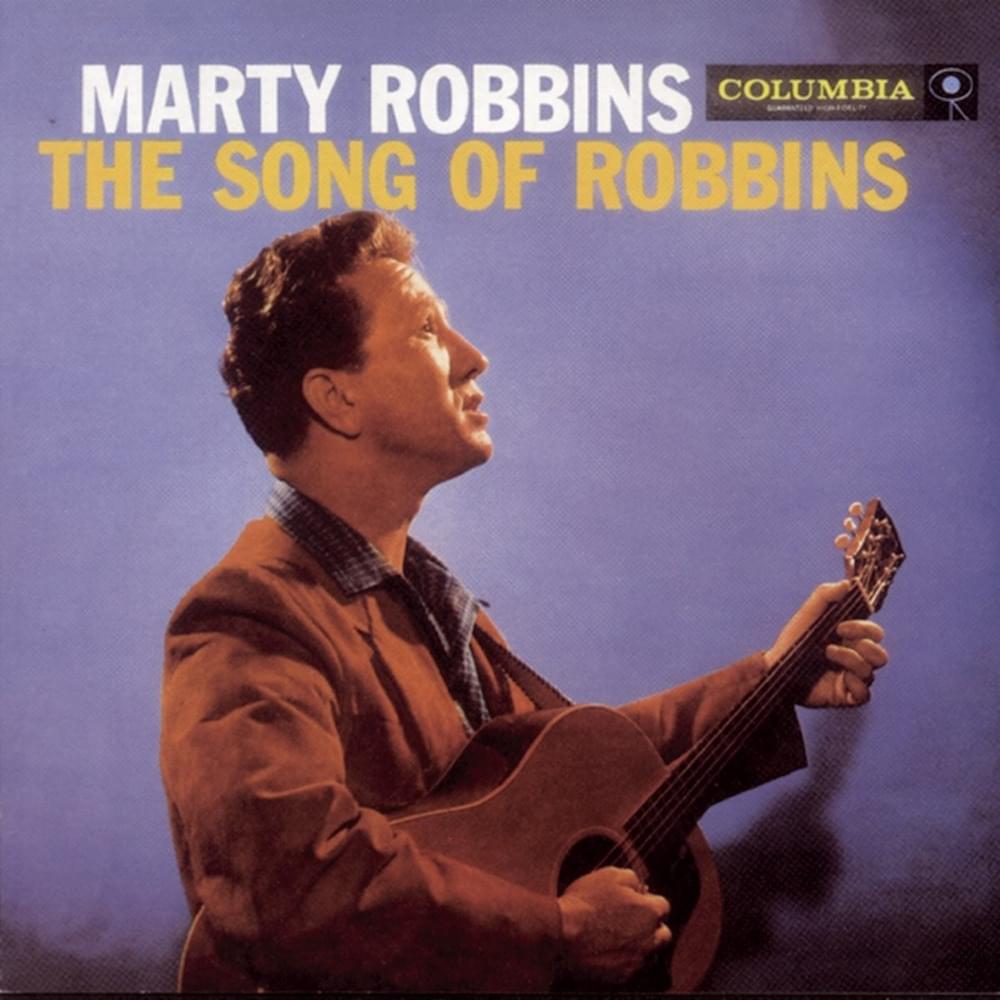
 View Artist