Song Meaning
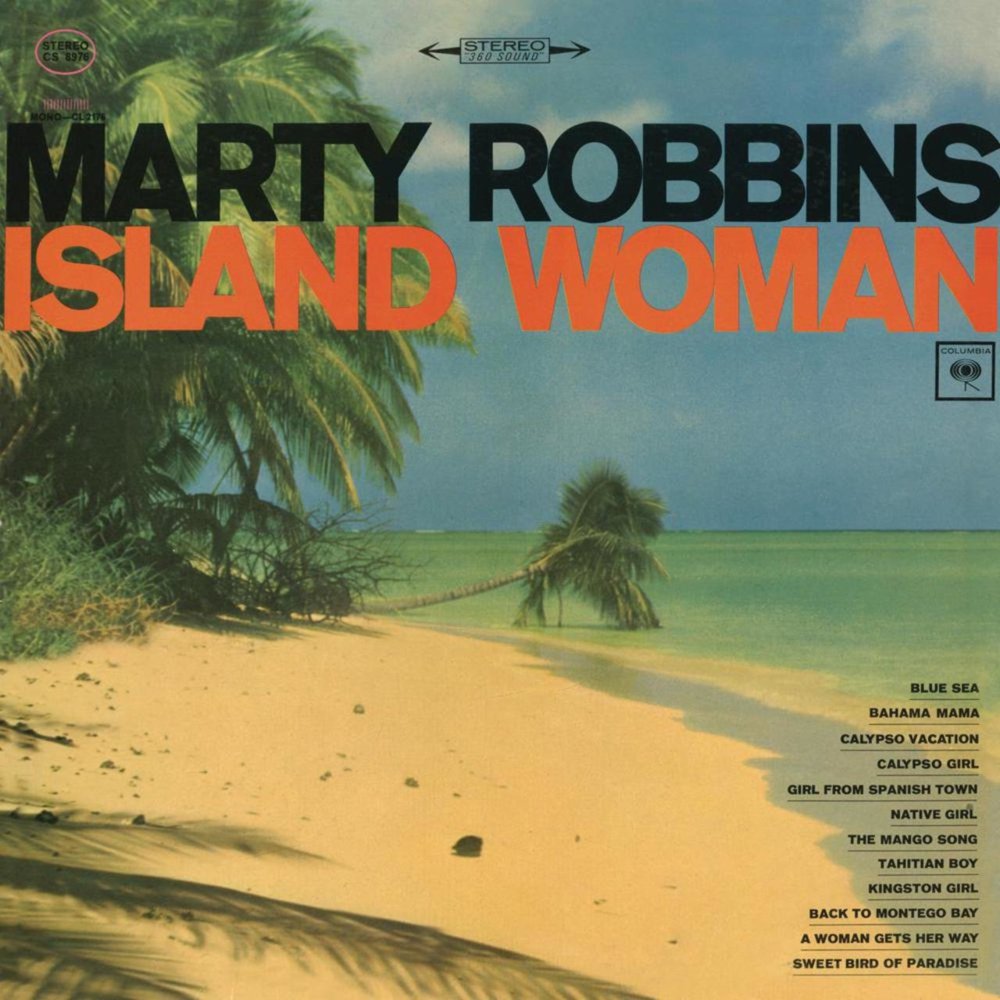
Marty Robbins' "Blue Sea" isn't just a ballad; it's a suicide note set to melody. The opening lines immediately establish the ocean as both escape and executioner. The singer, reeling from lost love, pleads with the "blue sea" to "carry me away," a euphemism dripping with fatal intent. He's not looking for a vacation; he's seeking oblivion. The "cool breeze" offering its "embrace" underscores the seductive pull of death, a gentle welcome into eternal darkness. The fleeting image of his lover's "loving face" only sharpens the pain, a final, exquisite torture before the end.
The core of the tragedy lies in the societal constraints that ripped the lovers apart. "Your father has picked another, the son of a wealthy man" lays bare the cold, economic reality that shattered their romance. This isn't just heartbreak; it's a condemnation of a world where love is secondary to financial security. The repeated farewell underscores the finality of his decision. "Goodbye my love, it's over, we will never kiss again" isn't just a lament; it's a conscious severing of ties, a preparation for the ultimate plunge.
The final verse solidifies the suicidal pact. The sea isn't just a means of escape; it's a tomb. He asks the "blue sea" to "rock me to sleep," a chilling request for eternal rest. The plea to "never let me wake, let me slumber in the deep" leaves no room for doubt. "Blue Sea" is a stark reminder of the destructive power of societal pressures and the devastating consequences of unfulfilled love, a dark and haunting exploration of despair's final solution.
 View Artist