Song Meaning
Marty Robbins's "Amor" isn't just a serenade; it's a distilled essence of longing, a linguistic study of how inadequate words can feel when faced with the immensity of love. The track, carried by Robbins's signature croon, hinges on the repetition of "Amor," a word presented not just as a declaration but as the only vessel capable of holding the singer's feelings. He readily admits the poverty of language, confessing his struggle to articulate anything "sweeter" or more profound. This isn't mere romantic cliché; it's a recognition of love's almost transcendental quality, its capacity to exceed the boundaries of ordinary expression. The choice of Spanish, for an English-speaking audience, adds another layer, suggesting that perhaps some emotions require a different cultural framework to be fully grasped.
Beyond the linguistic angle, the song delves into the psychology of dependence and vulnerability. The lyrics paint a picture of a man utterly consumed by his affections. "When you're away, there is no day," he laments, revealing a reliance on his beloved that borders on existential. This isn't presented as strength but as a raw, exposed nerve. The plea, "Say you'll be mine / And love me only," underscores a deep-seated insecurity, a fear of abandonment that fuels the intensity of his devotion. It speaks to a universal human desire for reciprocation, amplified by the stakes of romantic love.
Ultimately, "Amor" succeeds not through lyrical complexity but through emotional honesty. It's a song about the limitations of language when confronted with the overwhelming force of love, but also about the naked vulnerability that love demands. The repetition of "Amor" becomes almost mantra-like, a desperate attempt to bridge the gap between feeling and expression, between the self and the beloved. It's a poignant reminder that sometimes, the simplest words carry the greatest weight.
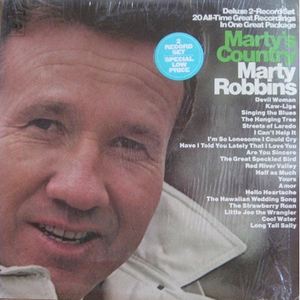
 View Artist