Song Meaning
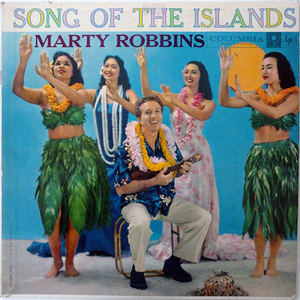
Marty Robbins' interpretation of "Aloha Oe (Farewell to Thee)" distills the essence of bittersweet parting into a concise, repeating verse. The song, originally written by Queen Liliʻuokalani of Hawaii, transcends simple translation. It's a cultural touchstone, resonating with themes of love, loss, and the poignant beauty of saying goodbye. Robbins, known for his narrative ballads and Western flair, approaches the material with reverence, allowing the inherent emotional weight of the melody and lyrics to carry the performance. The repetition of "Aloha-oe" (farewell to thee) emphasizes the cyclical nature of departures and reunions, a constant ebb and flow in the human experience. The phrase "ikeona ona noho ikalipo" adds a layer of nuanced meaning, hinting at cherished memories and the lingering presence of affection even in absence. It's a reminder that emotional connections persist beyond physical separation.
While the lyrics are deceptively simple, the song's power lies in its ability to evoke a complex tapestry of emotions. The "one fond embrace" signifies a tangible connection, a physical manifestation of the bond that exists between individuals. It serves as a comforting gesture, a reminder of shared intimacy before the inevitable separation. The longing expressed in "ahoea ea until we meet again" suggests a hopeful outlook, a belief in the possibility of future encounters. It acknowledges the pain of parting but tempers it with a sense of anticipation, a promise of reunion that sustains the spirit. In the context of human psychology, this anticipates future positive interactions to mitigate the pain of a temporary separation.
Ultimately, "Aloha Oe" as performed by Marty Robbins becomes a meditation on the transient nature of relationships and the enduring power of love. It's a song about cherishing moments, embracing the present, and finding solace in the hope of future reunions. The simple structure and repetitive phrasing create a hypnotic effect, drawing the listener into a state of reflection on their own experiences with farewells and the enduring bonds that connect us. It's not just a song; it's an emotional experience, a shared moment of recognition of the human condition.
 View Artist