Song Meaning
The narrator frames their love with cosmic and natural scale, establishing an almost eternal quality from the outset. The opening lines, "Longer than there've been fishes in the ocean / Higher than any bird ever flew," immediately place the feeling outside of human experience, suggesting a love predating existence itself. This grand comparison isn't just hyperbole; it's an attempt to articulate a devotion that feels as fundamental and ancient as the natural world. The repetition of "I've been in love with you" reinforces this enduring sentiment, anchoring it in the present while stretching it into an immeasurable past.
The second verse continues this theme of immense, inherent truth, comparing the love's strength and veracity to natural phenomena. "Stronger than any mountain cathedral / Truer than any tree ever grew" elevates the love beyond mere emotion to a foundational principle. The shift to "I am in love with you" here feels more immediate, a present declaration of this deep-seated truth. The imagery suggests a love that is not only vast but also deeply rooted and unshakeable, a core aspect of the narrator's being.
The bridge introduces a dynamic of mutual support and cyclical renewal, painting a picture of a shared future. The narrator promises to provide warmth in hardship ("fire in the winters"), while their beloved offers renewal in gentler times ("showers in the springs"). This exchange, culminating in "With love on our wings," suggests a partnership that actively navigates the seasons of life together. It’s a vision of enduring love that is not static but actively engaged in the passage of time and the shared experiences it brings.
Verse three masterfully captures the aging process not as decay, but as a deepening narrative etched into existence. The "fire starts to mellow" and "pages start to yellow" are poignant images of time's passage, yet the narrator’s commitment remains unwavering. The lines "Though the binding cracks and the pages start to yellow / I'll be in love with you" are particularly striking. They acknowledge the inevitable wear and tear of life, but frame it as a testament to the book's enduring story, with their love being the constant narrative thread. The final repetition of "I'll be in love with you" solidifies this commitment through all of life's inevitable changes.
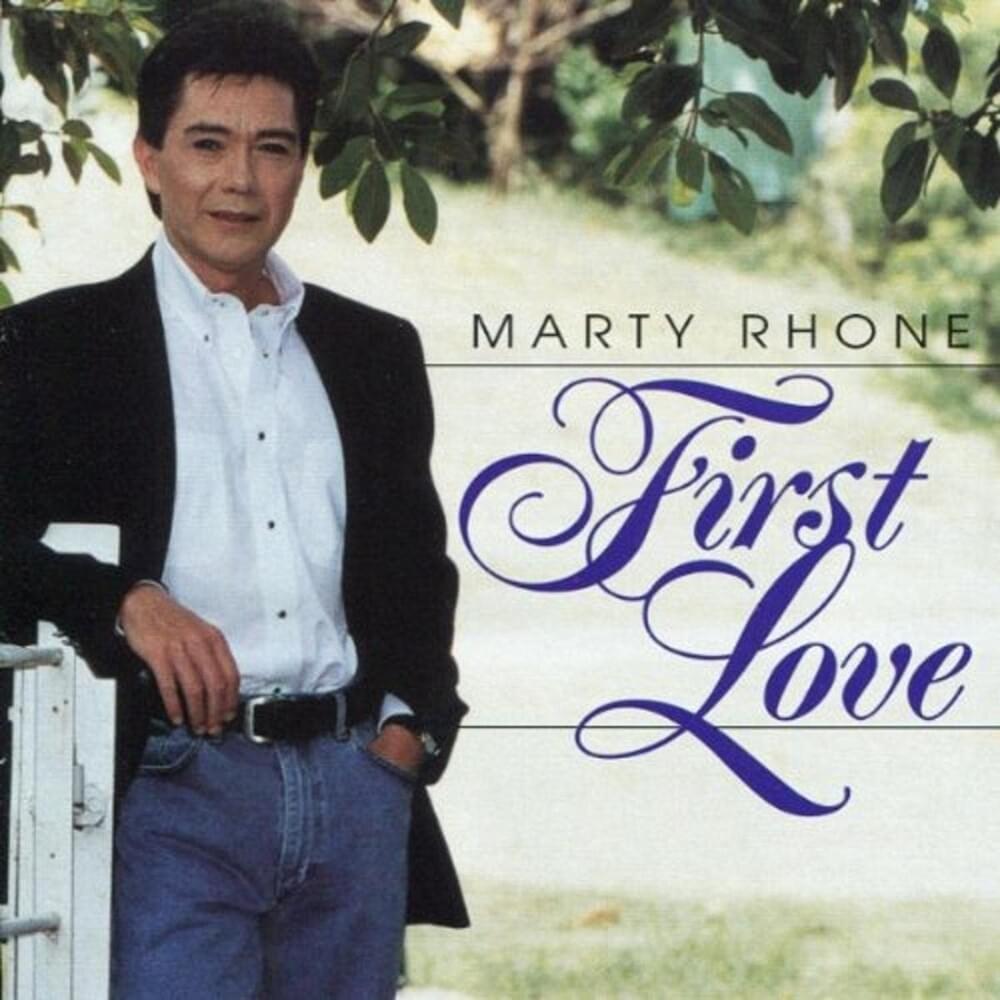
 View Artist