Song Meaning
Martina McBride's "Some Say I'm Running" isn't a tale of escape, but a defiant reclamation of love. The lyrics immediately establish a tension between external perception and internal conviction. "All my friends who knew me when / Tell me not to wander down that road again," she sings, painting a picture of a past relationship viewed as a mistake by those around her. But the core of the song meaning lies in the speaker's resistance to this narrative. "It's being on that road that makes me free," she asserts, reframing what others see as flight as a return to authenticity. The road, the relationship, is not a trap, but a source of liberation. This is a mature perspective, acknowledging the potential pitfalls but prioritizing personal truth. The song's central metaphor of "running" versus "falling back" encapsulates this conflict.
The song delves into the complex layers of a fractured relationship. The lines "The water's deep under the bridge / As I pass by our old house upon the ridge" evoke a sense of history and regret. "All our sins have washed away / Now all that's left are all the things we didn't say" suggests a period of separation and reflection, where unspoken truths linger. The "restless heart" beating fast, juxtaposed with the mind's doubt, highlights the internal struggle between passion and reason. It's not a naive love, but one tempered by experience, aware of the potential for failure yet choosing to embrace the risk. The willingness to confront the past and address the "things we didn't say" hints at a deeper commitment to reconciliation.
Ultimately, "Some Say I'm Running" is a powerful statement about defying expectations and prioritizing love. The third verse throws caution to the wind: "Against the odds I'll roll the dice / I guess my heart has won despite all good advice." This isn't blind faith, but a conscious decision to trust one's own intuition over societal judgment. The invitation to "grab your things and come on in / And get to know your children once again" underscores the importance of family and the desire to rebuild what was lost. The rhetorical questions – "When does a fool stop being a fool? / And since when is love obliged to any rules?" – challenge conventional wisdom and celebrate the unconventional nature of true connection. The final plea, "Let's learn to give let's talk things out / Let's give them someone else to talk about," is a call for communication and a rejection of external judgment, solidifying the song's message of defiant love and self-determination.
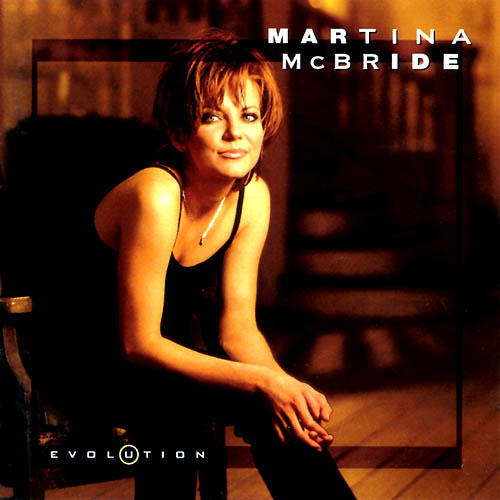
 View Artist