Song Meaning
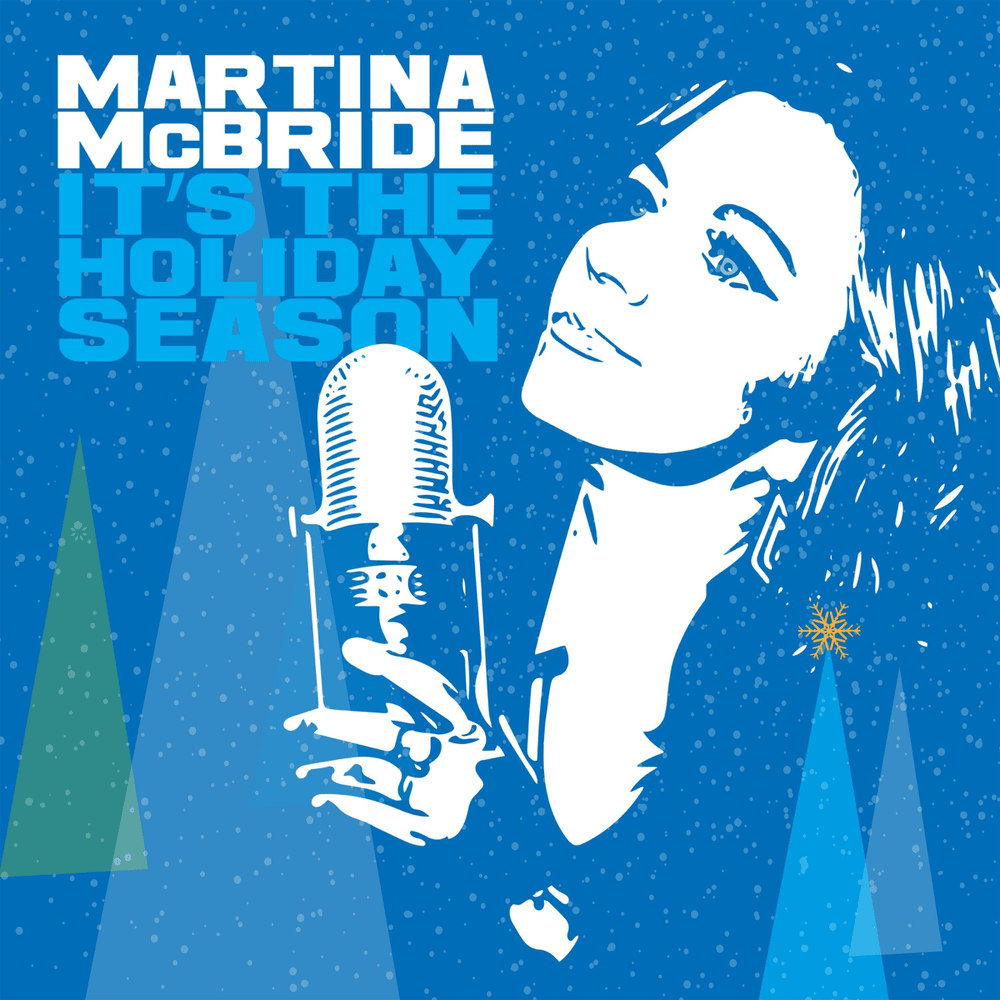
Martina McBride's rendition of "It's the Most Wonderful Time of the Year" isn't just a festive tune; it's a carefully constructed emotional landscape. The song's meaning revolves around the idealized vision of the holiday season, a time saturated with expectation and the pressure to perform joy. The lyrics paint a picture of relentless cheer, from "kids jingle belling" to constant well-wishing, creating an atmosphere where anything less than exuberance feels like a failure. This relentless emphasis on happiness, while seemingly celebratory, subtly hints at the underlying anxieties and social demands that often accompany the holidays. It's a portrait of manufactured bliss, where genuine connection risks being overshadowed by performative festivity. The constant repetition of "It's the most wonderful time of the year" becomes less a statement of fact and more a desperate incantation, a collective attempt to manifest a perfect reality.
Beneath the surface of "parties for hosting" and "marshmallows for toasting" lies a complex interplay of tradition, nostalgia, and social obligation. The song subtly acknowledges the darker undercurrents of the season with the line "There'll be scary ghost stories," hinting at the lingering presence of the past and the potential for things to go awry. This brief acknowledgement of unease acts as a counterpoint to the overwhelming positivity, reminding us that the holidays are not always a seamless experience of joy. It's a time when family dynamics are amplified, expectations are heightened, and the pressure to create lasting memories can be overwhelming. The song captures this tension, presenting a vision of holiday perfection while simultaneously acknowledging the potential for imperfection.
Ultimately, Martina McBride's version of "It's the Most Wonderful Time of the Year" functions as both a celebration and a commentary. It's an anthem of holiday cheer, but also a subtle exploration of the psychological pressures that come with it. The song’s lyrical analysis reveals how the incessant drive for festive perfection can create a paradoxical experience, where the pursuit of happiness ironically becomes a source of stress. It's a reminder that the true magic of the season lies not in achieving an unattainable ideal, but in finding moments of genuine connection amidst the chaos and manufactured cheer.
 View Artist