Song Meaning
Martina McBride's take on "Jingle Bells" isn't just a simple rendition of a holiday standard; it's an exploration of unadulterated joy, filtered through the lens of nostalgia and the collective unconscious. The song's cyclical structure, with its repeated chorus, mirrors the cyclical nature of memory itself. Each 'jingle' acts as a trigger, unlocking a flood of sensory details: the crisp air, the glistening snow, the rhythmic pulse of the sleigh bells. It's less about the literal sleigh ride and more about the *idea* of it – a romanticized escape from the mundane. McBride's vocal delivery, while technically proficient, also taps into a deeper emotional well, hinting at the bittersweet nature of nostalgia.
The lyrics, though deceptively simple, paint a vivid picture of communal happiness. The laughter, the singing, the 'spirits bright' – these are all elements of a shared experience, amplified by the festive atmosphere. It's a curated tableau of winter bliss, designed to evoke a sense of belonging and shared cultural identity. The 'one horse open sleigh' isn't merely a mode of transportation; it's a symbol of freedom and connection, a vessel for escaping the confines of everyday life and embracing the liberating power of collective joy. The analysis of the lyrics reveals a longing for a simpler time, a yearning for connection, themes McBride often explores in her work.
Ultimately, the song meaning resides in its ability to trigger a cascade of positive associations. McBride's "Jingle Bells" functions as a sonic snow globe, shaking up our memories and presenting us with a idealized vision of winter wonder. The brilliance lies not in its complexity, but in its accessibility. It's a reminder that joy, in its purest form, can be found in the simplest of pleasures, and that sometimes, all it takes is a sleigh ride and a few well-placed bells to unlock it.
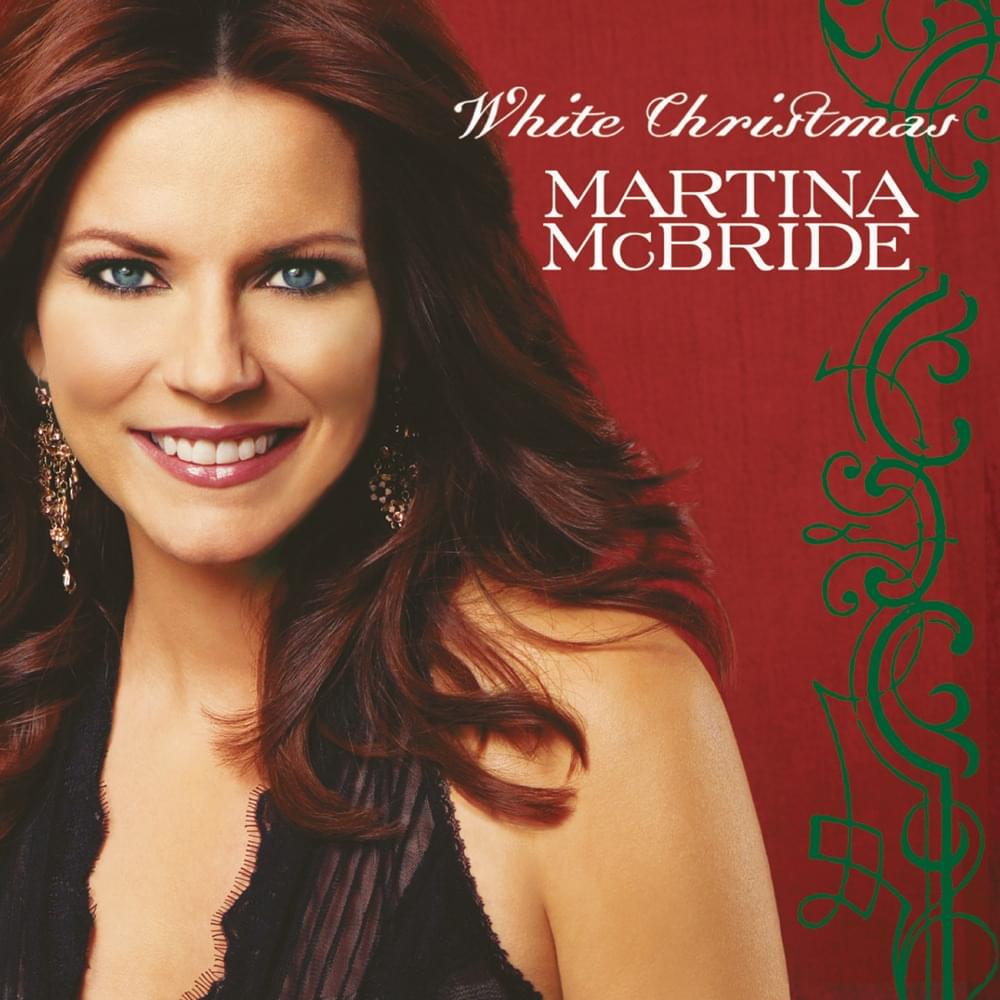
 View Artist