Song Meaning
This track immediately plunges us into a maritime legend, setting a scene of sailors at sea. The opening lines introduce a "monstre au ventre bleu," a creature of the deep, immediately establishing a tone of mystery and potential danger. The repeated calls of "Hissez haut, hé ho, matelots" create a sense of communal effort and the rhythm of seafaring life, grounding the fantastical elements in a tangible, working environment.
The central tension seems to lie between the allure and the peril of the ocean. We're warned to "Méfie-toi de la sirène aux jolis yeux," a classic siren trope that highlights the deceptive beauty found in the depths. This contrasts with the powerful, almost god-like "roi de l'océan" who "fait la pluie et le beau temps," suggesting a force that commands respect and fear. The lyrics paint a picture of a world where nature's beauty is intertwined with its raw, untamable power.
The recurring phrase "Dans l'obscurité des abysses" acts as a powerful anchor, emphasizing the unknown and the vastness of the ocean's hidden realms. The insistent "Oh hisse !" repeated multiple times underscores the struggle and the sheer effort involved in navigating these treacherous waters, whether literally hoisting sails or metaphorically confronting the ocean's mysteries. It’s the sound of men pushing against immense forces.
What makes these lyrics resonate is their ability to evoke a primal sense of adventure and dread. The simple, direct language and the call-and-response structure between the characters and the sailors create an immersive, almost chant-like experience. It captures the timeless human fascination with the unknown, the stories told to steel oneself against the vast, dark, and beautiful world beyond the horizon.
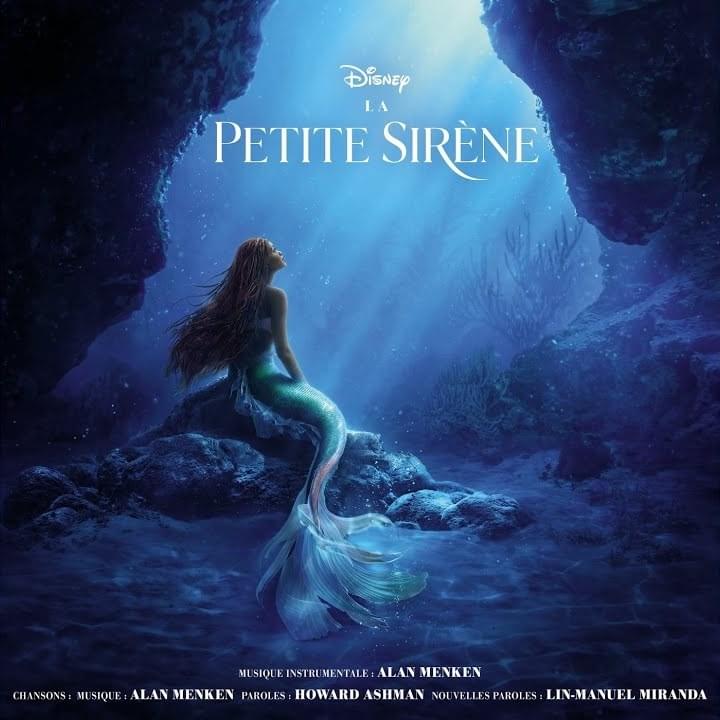
 View Artist