Song Meaning
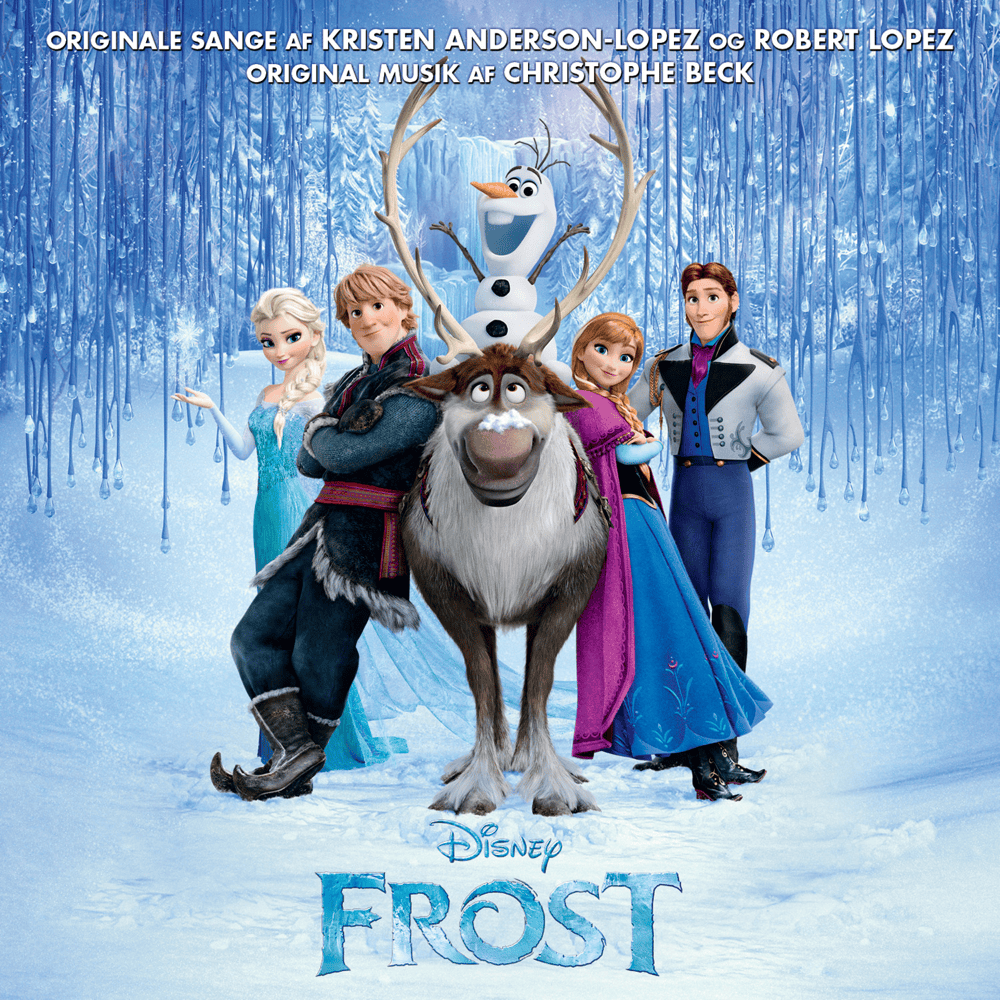
The lyrics paint a picture of a snowman, or someone identifying with that cold existence, yearning for the warmth of summer. The initial dialogue sets up a contrast between a lack of experience with heat and a hopeful imagination. This imagined summer is a stark departure from the current reality, filled with sensory details like "blomst og bi" (flower and bee) and the simple pleasure of a drink. The narrator anticipates a transformation, moving from a state of being "kølig og rimelig sej" (cool and reasonably cool) to experiencing "højt humør og klædelig kulør" (high spirits and becoming color). This shift is presented as a desirable escape from the harshness of winter.
The central tension lies in the anticipation of summer as a release and a period of joy, a stark contrast to the current cold. The narrator imagines a state of blissful idleness, "drive dovent rundt" (drifting lazily around), and observing the effects of warmth. There's a sense of dual benefit, where "varme og kulde er super intens" (heat and cold are super intense) together offer a "dobbel gevinst" (double gain), suggesting a unique appreciation for both extremes or the transition between them. The lyrics also hint at social interaction, with the narrator expecting to greet "nye folk" (new people) and inviting others to join in finding a place "vi snemænd skal bo" (we snowmen shall live).
The most striking craft element is the consistent personification of the narrator as a snowman, using this identity to articulate a desire for change. The imagery of melting, "dampe af" (to steam off/let off steam), and the contrast between "vinteren viger" (winter yields) and the coming summer are potent. The repeated phrase "Til sommer" acts as a mantra, a hopeful refrain that punctuates the longing for a different season and a different state of being. The lyrics suggest that even in a cold existence, the imagination can conjure warmth and the promise of release and joy, making the present hardship bearable.
Ultimately, these lyrics resonate because they capture a universal feeling of enduring difficult times with the hope of future happiness and transformation. The snowman's perspective, while specific, taps into the human need for escape and the power of anticipation. The simple, almost childlike language, combined with the vivid contrast between cold and heat, creates an emotional arc that is both poignant and uplifting, suggesting that even the most frozen states can dream of sunshine and a good time.
 View Artist