Song Meaning
The lyrics paint a picture of a strained, repetitive dynamic, possibly a relationship or a situation where one person is consistently trying to please another. There's a sense of building frustration, a "burn" that comes from knowing potential exists but isn't realized. The narrator feels stuck in a loop, offering everything they have, yet the desired outcome – reciprocation or acknowledgment – remains out of reach. This creates a palpable tension between desire and disappointment.
The core conflict seems to stem from an unfulfilled expectation. The narrator believes the other person "could learn" and "would take what you could get," suggesting a one-sided dynamic where the narrator is giving and the other is taking, or at least has the capacity to engage more fully. The repeated phrase "It is not gonna happen that way" acts as a resigned, yet firm, declaration against this imbalance, highlighting the narrator's awareness that their current approach isn't yielding the desired connection.
A striking element is the insistent repetition of "Call me a lady." This phrase, repeated multiple times, feels like a plea for a certain kind of recognition or respect that the narrator isn't receiving. It contrasts sharply with the underlying dynamic of being taken advantage of or not being seen for who they truly are, as suggested by "Was I not what you wanted me to be." The narrator can force an apology, "make you be," but cannot compel genuine affection or the desired label.
This lyrical construction is effective because it captures the exhausting nature of unrequited effort. The simple, almost childlike repetition of "Call me a lady" underscores a deep-seated need for validation, while the steady, almost resigned pronouncements of "It is not gonna happen that way" reveal a growing, albeit painful, self-awareness. It’s the sound of someone giving their all, only to realize they’re not even being asked for the right thing.
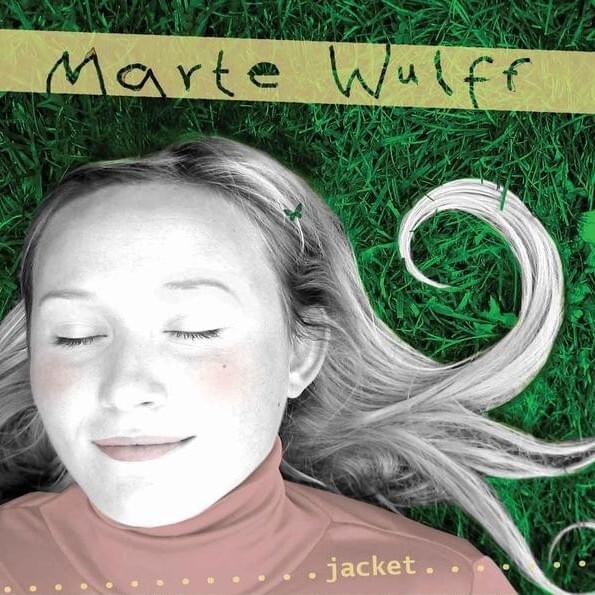
 View Artist