Song Meaning
The lyrics paint a stark picture of a life lived in the shadow of unrequited or destructive love. The opening lines immediately establish a painful dynamic: asking for love only brings "wounds" and leaves a "scar on the soul." This isn't just about heartbreak; it's about a fundamental realization of one's own identity, a painful self-awareness that arrives when "sleep won't come to the eyes." Happiness, in this context, is reduced to mere sadness, highlighting a profound emotional depletion.
The central tension of the song lies in the narrator's existence being defined by two opposing forces: the desperate need to "survive" and an equally consuming devotion to "admire you." This creates a paradox – life is reduced to mere endurance, yet the sole purpose within that endurance is fixated on another person. The repetition of "Živim, ja živim / Samo da preživim" (I live, I live / Only to survive) hammers home this sense of a life stripped down to its most basic function, a bleak existence.
The second verse deepens this despair by focusing on the deceptive nature of the object of affection. The lyrics suggest that anyone seeking happiness with this person will "never reach it," as their "beautiful face" deceives everyone. The act of loving becomes synonymous with losing, and the "love" given is repaid only with "tears." This reinforces the idea that the narrator's admiration is directed at an illusion, a source of pain rather than solace.
Ultimately, the effectiveness of these lyrics stems from their brutal honesty and the relentless, almost hypnotic repetition of the chorus. The song doesn't offer a way out; instead, it forces the listener to confront a raw, unvarnished depiction of a life consumed by a love that offers no reciprocity, only the grim necessity of survival and the hollow act of admiration. The repeated phrase "Samo tebi da se divim" (Only to admire you) becomes a mantra of self-negation, underscoring the tragic core of this existence.
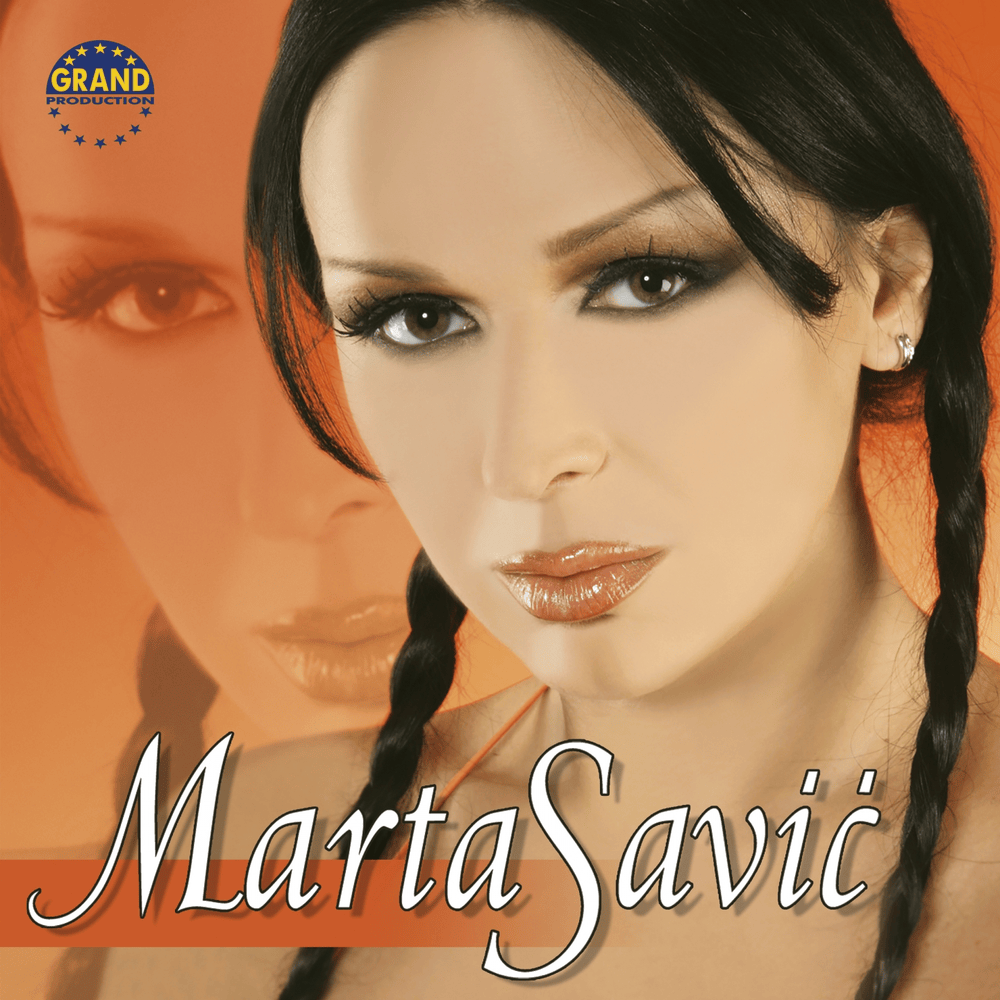
 View Artist