Song Meaning
This track lays bare the raw aftermath of betrayal, opening with a plea to simply be allowed to grieve. The narrator isn't asking for comfort or intervention, just space to process the pain. The repeated phrase "Pusti me da plačem" (Let me cry) establishes an immediate emotional tone of sorrow and resignation, suggesting a deep hurt that needs its own space to heal. It's a quiet, internal struggle, a demand for emotional autonomy in the face of heartbreak.
The central conflict lies in the narrator's enduring affection clashing with the harsh reality of deceit. The chorus, "Volela sam crne oči / Volela sam tebe samo" (I loved black eyes / I loved only you), paints a picture of singular devotion. This deep love is directly contrasted with the partner's actions: "Varao si, lagao si" (You cheated, you lied). The stark juxtaposition of past love and present betrayal fuels the song's emotional weight, culminating in the somber declaration, "I zato se opraštamo" (And that's why we part ways).
The most striking aspect is the narrator's refusal to succumb to bitterness, despite the pain. In the second verse, she states, "Neću da te kunem / Ne mogu to" (I won't curse you / I can't do that). This isn't weakness; it's a conscious choice to rise above, recognizing the complexity of the past relationship where the same person was "I dobro i zlo" (Both good and evil). This nuanced perspective elevates the lyrics beyond simple anger, showing a mature, albeit heartbroken, acceptance of the situation.
Ultimately, the song resonates because it captures the quiet dignity found in acknowledging profound hurt without resorting to destructive anger. The simple, direct language and the insistent repetition of the core emotional states—love, pain, and parting—create a powerful, almost meditative, expression of heartbreak. It’s the sound of someone processing a painful truth, finding a way to say goodbye with a heavy heart but a clear mind.
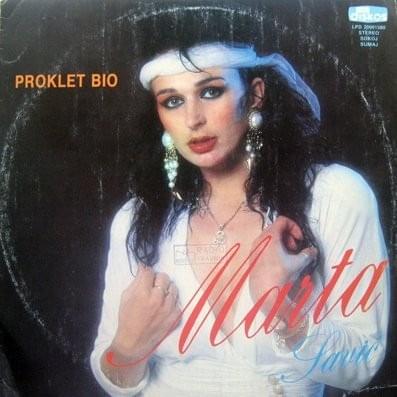
 View Artist