Song Meaning
The lyrics paint a stark picture of abandonment and desperate longing. The narrator is left alone, consumed by the night and the absence of their beloved. The core of the song is this raw, almost primal plea against a lover's departure, highlighting the narrator's profound fear of solitude. It's a moment frozen in time, where the setting sun signals not peace, but the onset of unbearable loneliness.
The central tension lies in the narrator's curse directed at their departing lover, "Proklet bio, dragi moj" (Cursed be, my dear). This isn't a gentle farewell; it's a desperate, almost violent rejection of the lover's choice to leave. The curse is fueled by the narrator's own vulnerability, the fear that "noćna tama" (night's darkness) will consume them, and the stark reality that they "ne smem leći sama" (must not lie alone). This creates a powerful emotional conflict between the lover's agency and the narrator's utter dependence.
The repetition of the refrain hammers home the narrator's despair. The phrase "Ubiće me noćna tama" (Night's darkness will kill me) is particularly potent, personifying the darkness as an active threat. This isn't just sadness; it's a feeling of impending doom directly tied to the lover's absence. The lyrics suggest that even daylight offers no solace, as the narrator feels "suđeno je jednoj ženi" (it is destined for one woman) to remain alone, framing their fate as inescapable.
What makes these lyrics hit so hard is their unflinching portrayal of vulnerability. The narrator doesn't try to hide their fear or their anger; they lay it bare. The contrast between the lover's action (leaving) and the narrator's reaction (despair, curse) is sharp and immediate. The writing forces the listener to confront the sheer terror of being left behind, making the narrator's plea feel both intensely personal and universally understood.
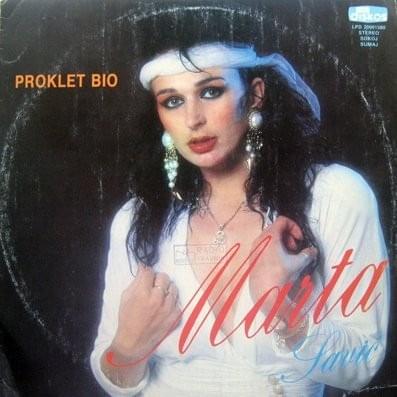
 View Artist