Song Meaning
The lyrics paint a picture of a narrator confidently asserting their unique ability to satisfy a former lover, even as that lover moves on. The opening verses detail a series of intimate actions – kissing, waking, serving, comforting, smiling, begging, caressing, and even deceiving – all presented as things the narrator *could* do. This creates a sense of potential, of a deep understanding of the other person's needs and desires that the narrator believes no one else can replicate. The dominant tone is one of assuredness, bordering on arrogance, as the narrator predicts the former lover's eventual regret.
The central tension lies in the narrator's unwavering belief in their own irreplaceable role in the lover's life. The repeated phrase "Opet će ti malo biti" (It will still be too little for you) directly forecasts the lover's dissatisfaction with future partners. This isn't just a prediction; it's a taunt, a declaration that the narrator holds the key to a level of fulfillment the lover will never find again. The narrator positions themselves as the ultimate standard, the one who truly "knows" how to provide everything.
The most striking craft element is the relentless cataloging of intimate acts, contrasted with the narrator's current absence. The verses list what the narrator *would* do, emphasizing a deep, almost exhaustive knowledge of the lover's needs. This creates a powerful subtext: the narrator is withholding these very things now, using their memory and potential as a weapon. The refrain, "Da ti pružim sve ću / Samo ja to znam" (I will give you everything / Only I know how), hammers home this point, reducing the lover's future experiences to a pale imitation.
Ultimately, the lyrics resonate because they tap into a specific kind of post-breakup vindictiveness. It’s not about sadness or longing, but about a fierce, almost performative certainty that the narrator was essential. The writing works by building a case, listing the narrator's supposed unique qualifications, and then confidently predicting the lover's inevitable, self-inflicted misery. This creates a compelling, if somewhat cold, narrative of control and perceived superiority.
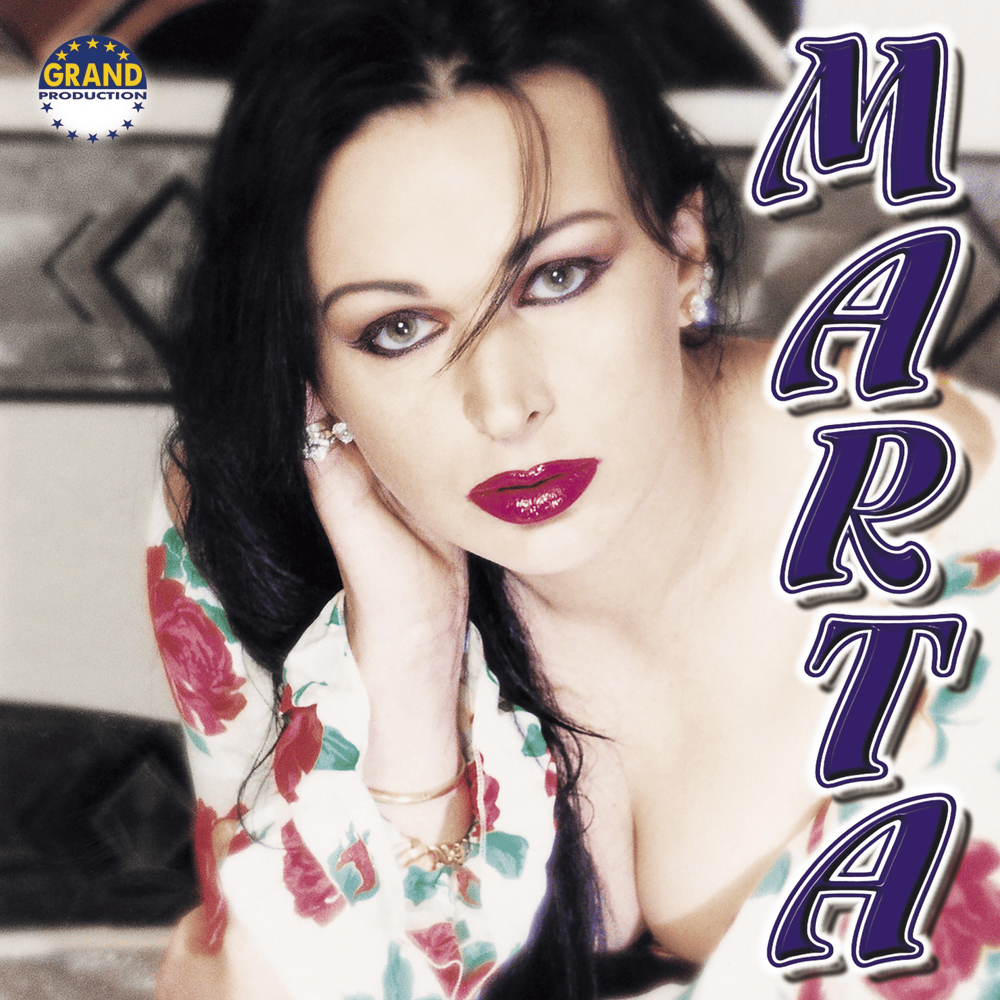
 View Artist