Song Meaning
The lyrics open with a series of poignant questions about value, specifically asking "Kol'ko vredi jedna suza" (How much is one tear worth?) and "Kol'ko vredi ova tuga" (How much is this sadness worth?). This immediately establishes a tone of deep emotional cost and lingering sorrow. The repetition of these questions emphasizes the narrator's contemplation of what has been lost or endured, framing it not in monetary terms but in the currency of pain and heartbreak.
The central tension lies in the stark contrast between the immeasurable emotional debt incurred and the recipient's inability to repay it. The chorus hammers this home with the repeated declaration, "Nemaš para da mi platiš / A ni srca da mi vratiš" (You have no money to pay me / Nor a heart to return to me). This isn't just about financial compensation; it's a profound statement about the lack of reciprocity and the absence of genuine emotional investment from the other party. The narrator feels deeply wronged, and the other person is incapable of understanding or rectifying the damage.
The craft here is in the relentless questioning and the direct, almost accusatory chorus. The second verse shifts the focus slightly, asking about the value of a "noć" (night) without dreams and a "dan ljubavi" (day of love) given away. This broadens the scope of what the narrator feels is owed, moving from pure sorrow to the loss of shared moments and affection. The structure, with its repeating verses and insistent chorus, creates a feeling of being trapped in this unresolved emotional ledger, unable to move forward because the debt of the heart remains unpaid.
Ultimately, the effectiveness of these lyrics comes from their raw, unvarnished expression of emotional grievance. The narrator isn't asking for pity but is instead stating a hard truth about the imbalance in a relationship. The inability of the other person to "s'vatiš" (understand) the depth of the narrator's feelings, coupled with their lack of both financial and emotional capacity to make amends, creates a powerful sense of finality and justified resentment.
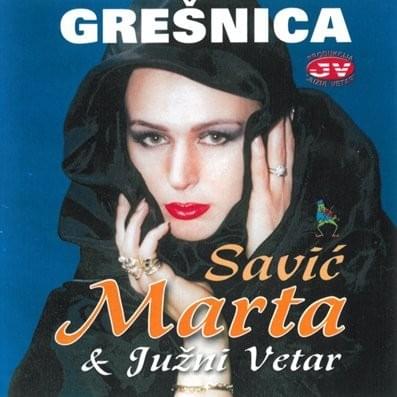
 View Artist