Song Meaning
Marta Sánchez's "Socorro" isn't just a cry for help; it's a visceral exploration of self-deception and the desperate measures one takes to outrun their past. The song meaning resides in the push and pull between yearning for authentic experience and the numbing comfort of denial. Sánchez paints a portrait of someone actively "robbing" pieces of their own history – childhood dreams, echoes of a voice, sparks of love – only to bury them under layers of "reasons" and excuses. This isn't mere repression; it's a calculated act of self-preservation, a defense mechanism against the pain of confronting what's been lost or left unfulfilled. The repeated phrase "arco iris de sombras" (rainbow of shadows) perfectly encapsulates this paradox: a beautiful facade masking a darker reality. It suggests a life lived in carefully curated illusions, where fleeting moments of color only serve to highlight the pervasive gloom.
The frantic energy of the verses underscores the panic at the heart of "Socorro". The singer runs, not towards something, but away – "con manos vacías," guilty not of sins committed, but of a life unlived. This sense of potential squandered fuels the desperation, a feeling amplified by the racing heartbeat in her throat. The labyrinth of feelings and the abyss of doubt aren't external forces; they are self-constructed prisons, born from the inability to reconcile with the past and embrace vulnerability. The lyrics analysis reveals a cyclical pattern: a brief flirtation with truth ("la verdad quedó desnuda") is quickly followed by a descent into another lie, perpetuating the cycle of avoidance.
The raw, repeated cry of "Socorro" (help) cuts through the layers of metaphor and imagery, exposing the vulnerability beneath. It's a primal scream, a desperate plea not just for rescue, but for a release from the self-imposed prison of denial. Marta Sánchez doesn't offer easy answers or resolutions. Instead, she holds up a mirror, reflecting the uncomfortable truth that sometimes the greatest threat we face is ourselves, and the most difficult battle is the one fought within. The song's power lies in its unflinching honesty, its willingness to confront the messy, contradictory nature of the human condition.
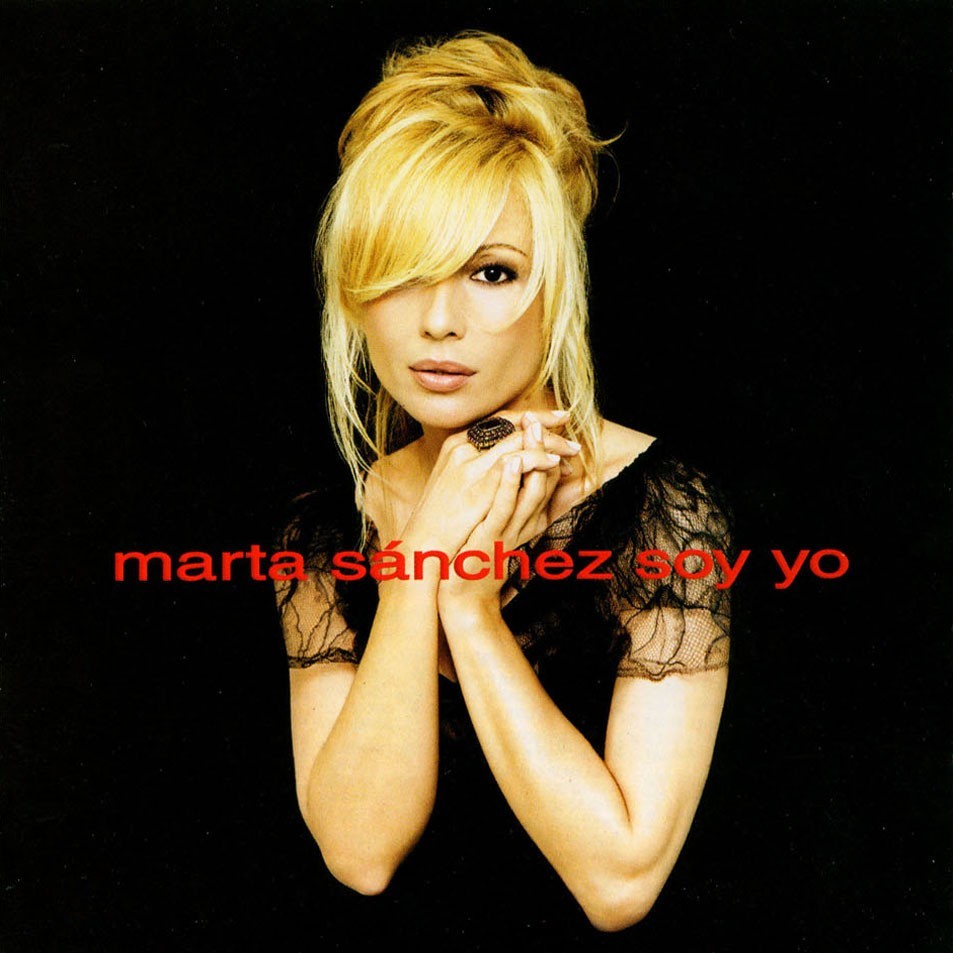
 View Artist