Song Meaning
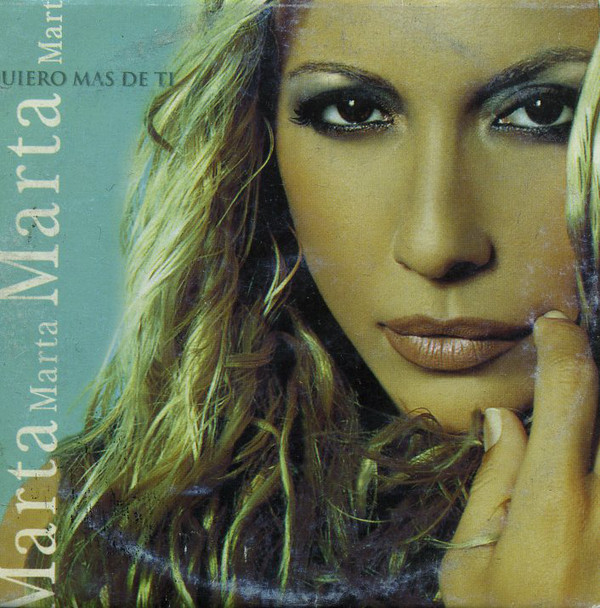
Marta Sánchez's "Quiero Mas De Ti" isn't just a plea for affection; it's a sharp critique of mistaking material excess for genuine emotional connection. The opening lines, "No quiero lunas que me iluminen, No quiero soles que me fascinen," immediately establish a rejection of superficial grandeur. Sánchez isn't seduced by grand gestures or material offerings. Instead, she craves something deeper, something more intrinsic from her partner. It's a mature stance, dismissing fleeting infatuations in favor of a grounded, authentic bond. The chorus, "Quiero más de ti," becomes a repeated mantra, underscoring that the 'more' she desires isn't about quantity, but quality.
The lyrics delve into the core of the issue: the partner's tendency to overcompensate with lavish gifts. "Si yo te pido dos, Tu me regalas mil," she sings, highlighting the imbalance. This generosity, while seemingly benevolent, misses the point entirely. Sánchez shrewdly observes, "Concibes el amor Como algo al por mayor, Pero eso no es así," pointing out the fallacy of equating love with abundance. There’s a clear distinction drawn between the performative aspects of affection and the quiet, genuine moments that truly nurture a relationship. The psychological undercurrent here speaks to the common human tendency to fill emotional voids with material possessions, a habit Sánchez actively rejects.
The bridge offers a key to unlocking the song's central message: simplicity and appreciation. "En una simple flor, Se esconde tanto amor, Que no hace falta más." This isn’t just romantic idealism; it's a call for mindfulness. Sánchez advocates for recognizing the inherent value in small, meaningful gestures over extravagant displays. Ultimately, "Quiero Mas De Ti" transcends a simple love song. It’s a sophisticated exploration of emotional authenticity versus material pretense, a theme that resonates deeply in a culture often obsessed with superficial displays of affection. The final verses suggest a yearning for shared experiences, like watching the sunrise, emphasizing the importance of presence and mutual understanding in love, a stark contrast to the hollow allure of "lunas" and "soles."
 View Artist