Song Meaning
The lyrics paint a picture of a relentless, perhaps even predatory, pursuit of success, framed as a grand "race." The opening lines invite someone to "take my place" and "join the race," immediately suggesting a transfer of burden or ambition. This isn't presented as a gentle invitation, though; it comes with a warning that "you will sometimes pay to run," hinting at the inherent costs and potential exploitation within this competitive arena. The repeated, almost hypnotic, phrase "Aim for the sun" acts as a constant siren call, promising ultimate reward and glory.
The central tension lies between the allure of this promised "sun" and the harsh realities faced by those who participate. The lyrics contrast the aspirational "Aim for the sun" with the grim imagery of "document your fall / With flowers and alcohol" and the plight of those "push[ed] around" who "don't know where they belong." This suggests that the race is rigged, or at least that the rewards are not guaranteed, and the fall from grace can be brutal and lonely. The narrator, "down here on the strand," seems to be a casualty of this race, "crawling in the sand" like a "mannequin on the run," a stark image of lost agency and despair.
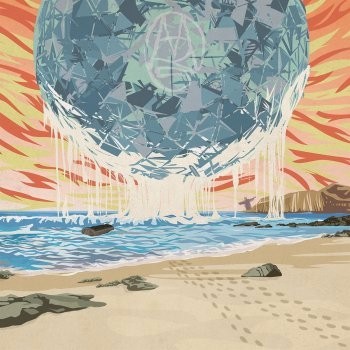
The most striking craft element is the pervasive, almost ironic, invocation of "the sun." It's presented as the ultimate prize, the constant goal, yet it's also tied to the promises that lead to ruin. The lyrics suggest a dark twist: those "hired to shoot" will "tamper with your parachute," implying that even the mechanisms of support are designed for sabotage. The phrase "Always the sun" becomes a chilling refrain, highlighting the deceptive nature of the promise – it's always visible, always dangled, but perhaps never truly attainable or beneficial for everyone.
Ultimately, these lyrics resonate because they capture a cynical, yet familiar, feeling about ambition and the systems that drive it. The writing effectively uses stark contrasts – the bright promise of the sun versus the gritty reality of falling, crawling, and drowning – to create a sense of unease and critical awareness. The repetition of "Oh way to go, son" and "Aim for the sun" feels less like encouragement and more like a resigned, even mocking, observation of a cycle of striving and inevitable disappointment for many.
 View Artist