Song Meaning
The lyrics immediately plunge the listener into a live performance, likely in "Tokyo Japan." The speaker is directly engaging the audience, building a palpable sense of excitement. There's a clear, energetic call to action, setting the stage for an interactive moment.
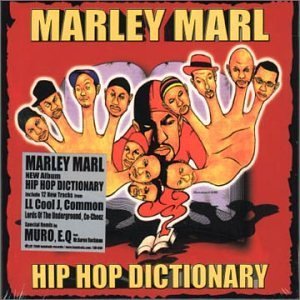
This brief introduction cleverly bridges geographical and cultural divides. The speaker asks the Japanese crowd to "show New York" the kind of "love Marley Marl" deserves. This isn't just about local enthusiasm; it's about connecting a global audience to the foundational legacy of hip-hop, honoring a pioneer from its birthplace.
The most striking craft element is the repeated call and response: "When I say Marley, you say Marl." This isn't merely a chant; it's a direct, almost ritualistic instruction that transforms the audience into active participants. The repetition solidifies Marley Marl's name, embedding his importance through shared vocalization and collective energy.
Ultimately, these lyrics are effective because they masterfully establish a scene and build collective anticipation. They use direct address and a simple, powerful interactive chant to forge an immediate bond between performer, audience, and a revered figure in music history. The introduction functions as a potent, unifying homage, creating a sense of shared purpose and excitement.
 View Artist