Song Meaning
These lyrics immediately confront the listener with a series of profound, direct questions about how one lives and what one leaves behind. It's a spiritual inventory, urging introspection on life's purpose and legacy. The recurring "Hallelujah, amen" chorus acts as a powerful, almost liturgical anchor, grounding this existential inquiry in faith.
The central tension arises from the contrast between the future's open possibilities and the past's lingering burdens. The opening verse asks, "What will you do with the time that's left?" pushing for a life "with no regret." This is sharply juxtaposed with the second verse's focus on "the time that's past" and "all the pain that seems to last," challenging the listener to find release through faith.
The craft here is striking in its relentless, direct questioning and the clever temporal progression. Each verse builds on the last, moving from future actions to past pain, culminating in a powerful vision of divine judgment. The repeated "What will you do/say..." creates an inescapable sense of personal accountability, while the shift to "What will He say when your time has come?" broadens the scope to an ultimate, spiritual reckoning.
Ultimately, these lyrics are effective because they don't offer easy answers; instead, they compel deep self-interrogation. By framing life's choices within a clear spiritual context, and by painting a picture of a personal, emotional divine encounter – "tears in His your eyes will He say 'well done'?" – the song makes the abstract concept of "time" feel incredibly urgent and profoundly meaningful. The "Hallelujah" serves as both a response and a guiding light through these weighty questions.
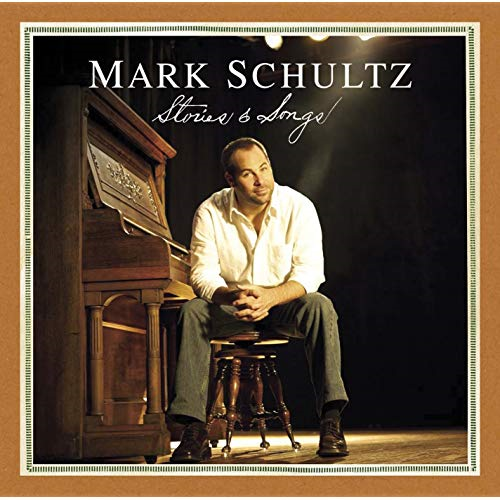
 View Artist