Song Meaning
The lyrics paint a picture of someone plunging headfirst into a chaotic and potentially destructive situation, symbolized by the descent into a "valley of you god" and an "hurricane." There's a clear desire for self-improvement, a wish to "change my ways," but this is immediately undercut by the act of "putting on blinders," suggesting a willful ignorance or a resignation to the overwhelming forces at play. The repeated declaration, "We're not in Charleston anymore," acts as a stark marker, signifying a departure from a place of normalcy or safety into something far more perilous and unpredictable. This isn't just a change of scenery; it's an entry into a different, more dangerous reality.
The central tension arises from the narrator's confrontation with a powerful, almost mythical figure described as a "tormented temptress." This figure is formidable, "guarded by the furies" with "hell hounds at her feet," and possesses a bizarre "strange child two-headed baby." The imagery here is intense and unsettling, suggesting a complex, perhaps monstrous, entity that the narrator is drawn to or must contend with. The narrator's hope of not finding "her" while going "down into the valley" reveals an internal conflict between the desire to escape or avoid this powerful influence and the undeniable pull towards it.
The most striking craft element is the juxtaposition of the mundane with the fantastical and the dangerous. The "great big bed" and "Fourth of July" fireworks are contrasted with a "flying carpet to hell" and the overwhelming "hurricane." This creates a disorienting effect, blurring the lines between reality and delusion, desire and destruction. The "two-headed baby" with one head speaks French one never eats" is a particularly bizarre and vivid image, hinting at a duality or a paradoxical nature within the "temptress" or the situation itself, making it both alluring and deeply disturbing.
Ultimately, the effectiveness of these lyrics lies in their visceral portrayal of being overwhelmed and irrevocably changed by a powerful, chaotic force. The relentless repetition of "We're not in Charleston anymore" hammers home the sense of irreversible transition and the loss of familiar ground. The narrator is not just observing a storm; they are actively moving into its eye, embracing the danger with a mix of dread and perhaps a strange fascination, driven by an encounter with a figure of immense, almost supernatural, power.
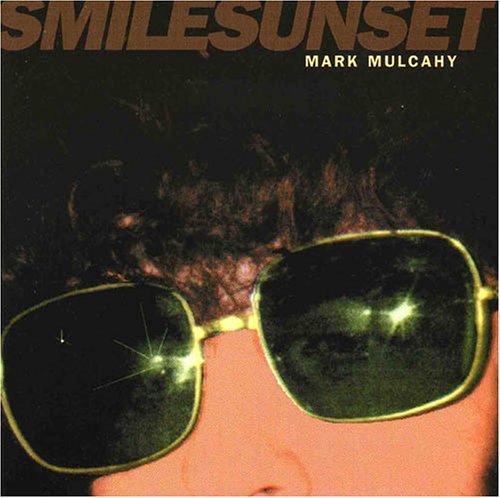
 View Artist