Song Meaning
The narrator recounts fragmented updates on past relationships, each ending with a wistful "too bad I was so shy" or similar regret. These women—Shirley, Linda, Mary-Lou, Janie, Marilyn, and Susan—all seem to have moved on, typically by marrying "some guy." The consistent refrain highlights the narrator's missed opportunities and a persistent theme of inadequacy, whether it's shyness, an inability to "take the blame," not buying a ring, lacking fame, or simply not "fitt[ing]" into their lives. The lyrics paint a picture of a life marked by deferred action and the quiet ache of what might have been.
The central tension lies in the narrator's passive observation of these women's lives contrasted with his own perceived failures. He frames each woman's story through the lens of his own regret, stating, "Linda was the name of my sorrow," and extending this to Mary-Lou, Janie, Marilyn, and Susan. This repetition transforms the women from individuals into embodiments of his own melancholic experience. The phrase "too bad I never came" for Susan, following "too bad I didn't fit" for Marilyn, suggests a pattern of absence and a failure to connect or commit, solidifying his role as an onlooker rather than a participant.
The most striking craft element is the recurring structure: a brief update on a woman's life, followed by the narrator's personal lament, and then the declaration that she "was the name of my sorrow." This formulaic approach underscores the narrator's inability to move past his own regrets, projecting them onto these past connections. The shift from specific women to a generalized "you" at the end of each stanza group ("And now it's you") implies that this pattern of sorrow and missed connection is ongoing, perhaps even a defining characteristic of his present emotional state. It’s a subtle but powerful way to suggest that the sorrow isn't just about these specific women, but about a deeper, persistent condition within the narrator himself.
These lyrics resonate because they capture a specific flavor of regret—not dramatic heartbreak, but the quiet, pervasive sadness of a life lived on the sidelines. The narrator's self-deprecating tone and the mundane details of the women's lives make his sorrow feel deeply personal and relatable. The repeated, almost incantatory, naming of each woman as "the name of my sorrow" transforms his passive observations into a profound, self-inflicted melancholy. The final, ambiguous "And now it's you" leaves the listener with a sense of unresolved longing, suggesting this cycle of regret continues to shape his present.
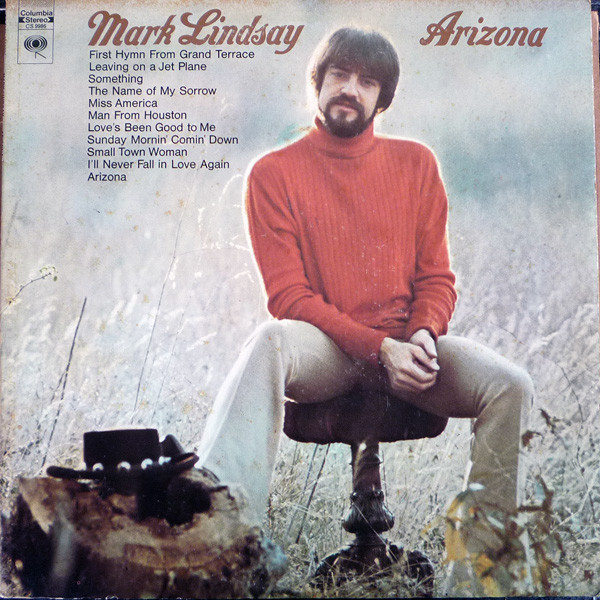
 View Artist