Song Meaning
The lyrics paint a stark picture of exhaustion and displacement, using the recurring image of Jesus Christ's departure as a backdrop for profound weariness. The narrator feels adrift, stating "Got no place to call my own" and "Got no time to call my own," emphasizing a complete lack of personal grounding or agency. This sense of being unmoored is amplified by the overwhelming feeling of fatigue, repeated with the blunt assertion, "I'm as tired as a man can be."
The central tension lies in the narrator's profound weariness contrasted with an external, perhaps spiritual, force that is indifferent or even harsh. The invocation "Oh my Lord, don't you bother me" suggests a desire for respite from any further demands or judgments, a plea for peace in the face of overwhelming exhaustion. The imagery of a "thunderstorm" and "cold, cold wind is burying me" creates a visceral sense of being overwhelmed by forces beyond control, mirroring the internal state of depletion.
The repeated phrase "Swing pendulum, swing low" acts as a powerful metaphor for the narrator's state. It evokes a sense of passive, inevitable motion, a back-and-forth that offers no progress or resolution, just a slow, draining descent. This imagery perfectly captures the feeling of being stuck in a cycle of exhaustion without escape, where even time itself feels like a burden rather than a resource. The contrast between the grand, historical figure of Jesus and the narrator's immediate, personal suffering highlights the depth of this individual despair.
Ultimately, the effectiveness of these lyrics stems from their raw, unadorned depiction of extreme fatigue and alienation. By grounding the emotional weight in concrete, albeit bleak, imagery like the "frost on the limbs" and the relentless "pendulum" swing, the writing creates a palpable sense of a spirit worn down to its core. The simple, direct language avoids grandiosity, making the narrator's profound tiredness feel immediate and deeply resonant.
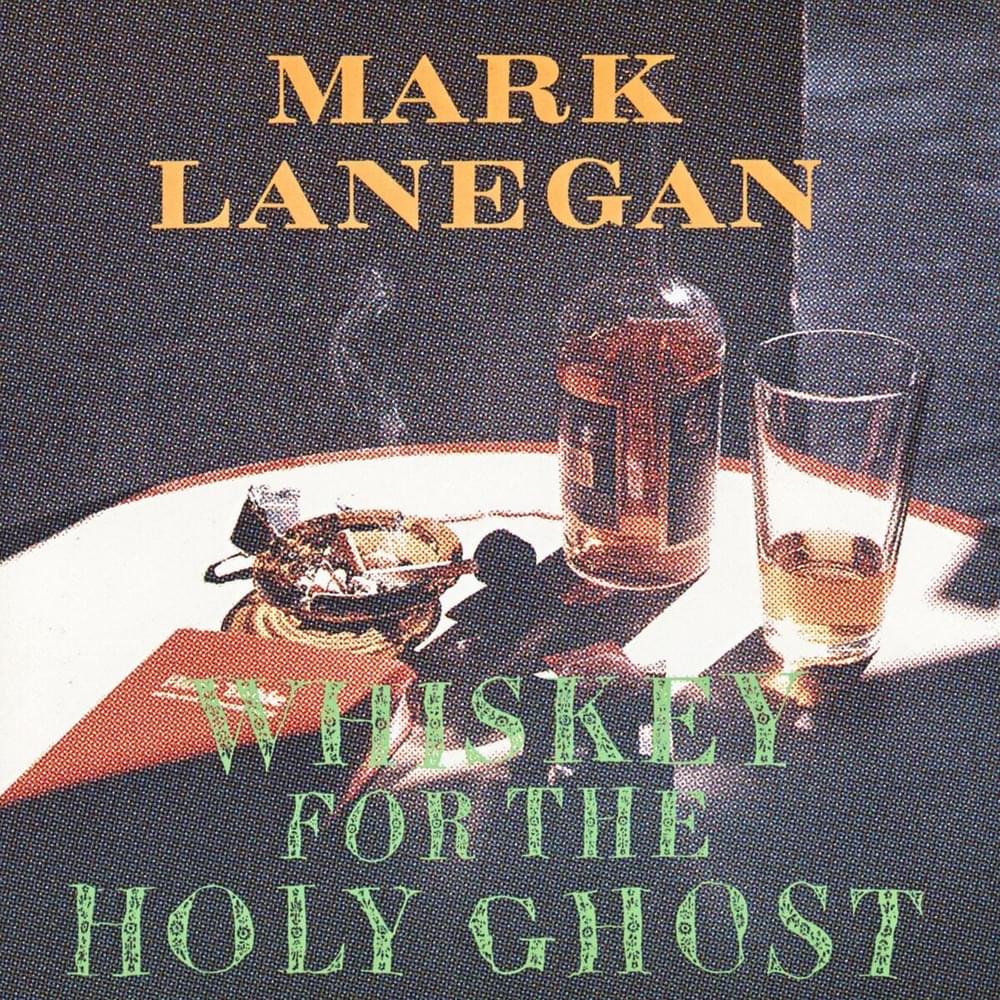
 View Artist