Song Meaning
Mark Knopfler's "Hill Farmer's Blues" paints a stark portrait of rural isolation and simmering rage, a sonic landscape as unforgiving as the terrain it depicts. The repeated trips to Tow Law aren't just for practical supplies; they're a pilgrimage to the edge, a quest for the means to maintain a precarious existence both physically and emotionally. The lyrics sketch a man pushed to the brink, sourcing "chain for the ripsaw, killer for the weed, shells for the twelve and razor wire" – items that speak to a desperate need for control and defense against forces both natural and, perhaps, human. The repeated instruction to "leave him be" regarding the dog suggests a primal connection to something equally untamed and dangerous, a reflection of the farmer's own state of mind. The dog becomes a symbol of the wild, the instinctual, and the part of the farmer that needs to be left alone to avoid being unleashed.
The song's genius lies in its understatement. Knopfler doesn't spell out the precise nature of the farmer's grievances. The "blues" aren't just a feeling; they're a consequence of betrayal and disillusionment. The line, "Behind my back, Lord, you made a fool of me," hints at a deep wound, possibly romantic or financial, that has festered in the solitude of the hills. The farmer's "fun" in Tow Law is likely a dangerous cocktail of escapism and self-destruction, a temporary reprieve from the weight of his circumstances. He acknowledges the past affection ("you were the only one"), but the bitterness now outweighs the love, fueling his descent.
The recurring chorus, "So bad, so bad," is a simple yet devastating assessment of the situation. It's not just a lament; it's an acknowledgment of the farmer's own complicity in his predicament. The repetition emphasizes the cyclical nature of his despair, trapped in a loop of isolation, resentment, and self-destructive behavior. "Hill Farmer's Blues" is less a narrative and more a mood piece, capturing the raw, untamed emotions of a man on the edge, his spirit as weathered and worn as the land he toils.
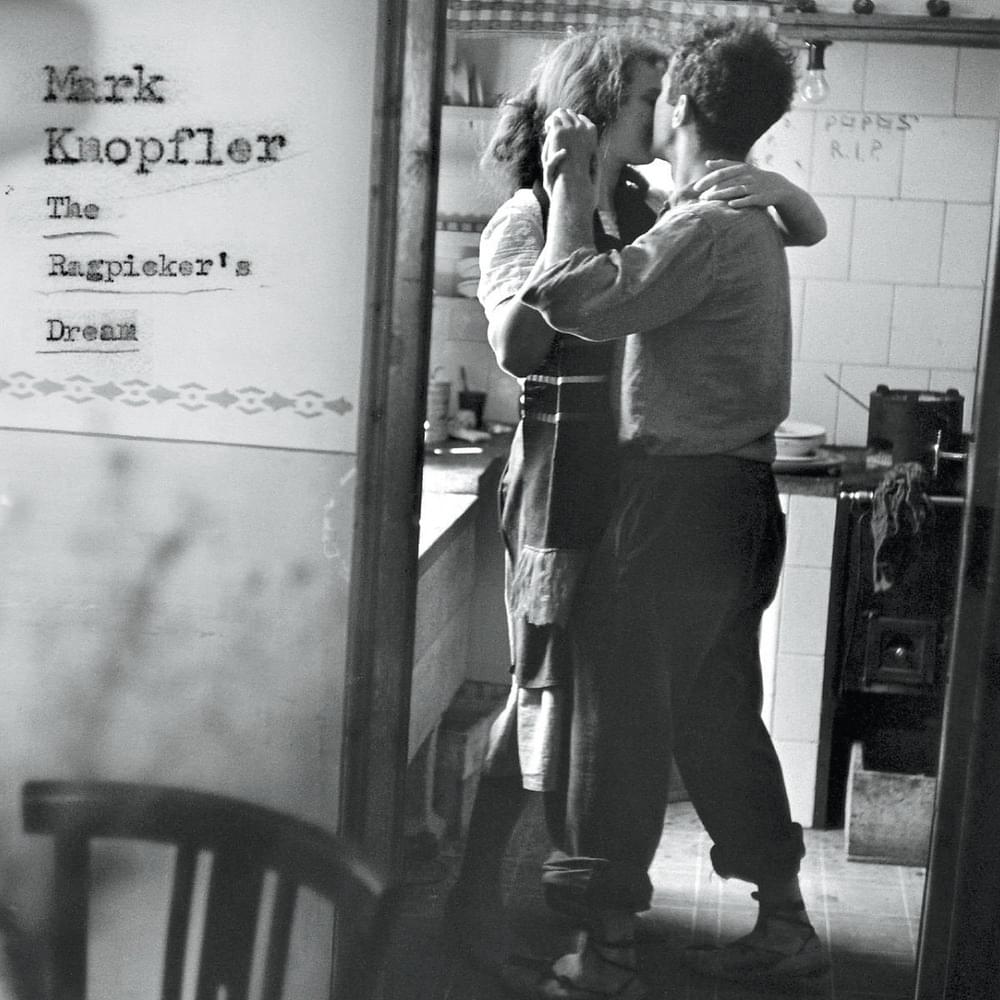
 View Artist