Song Meaning
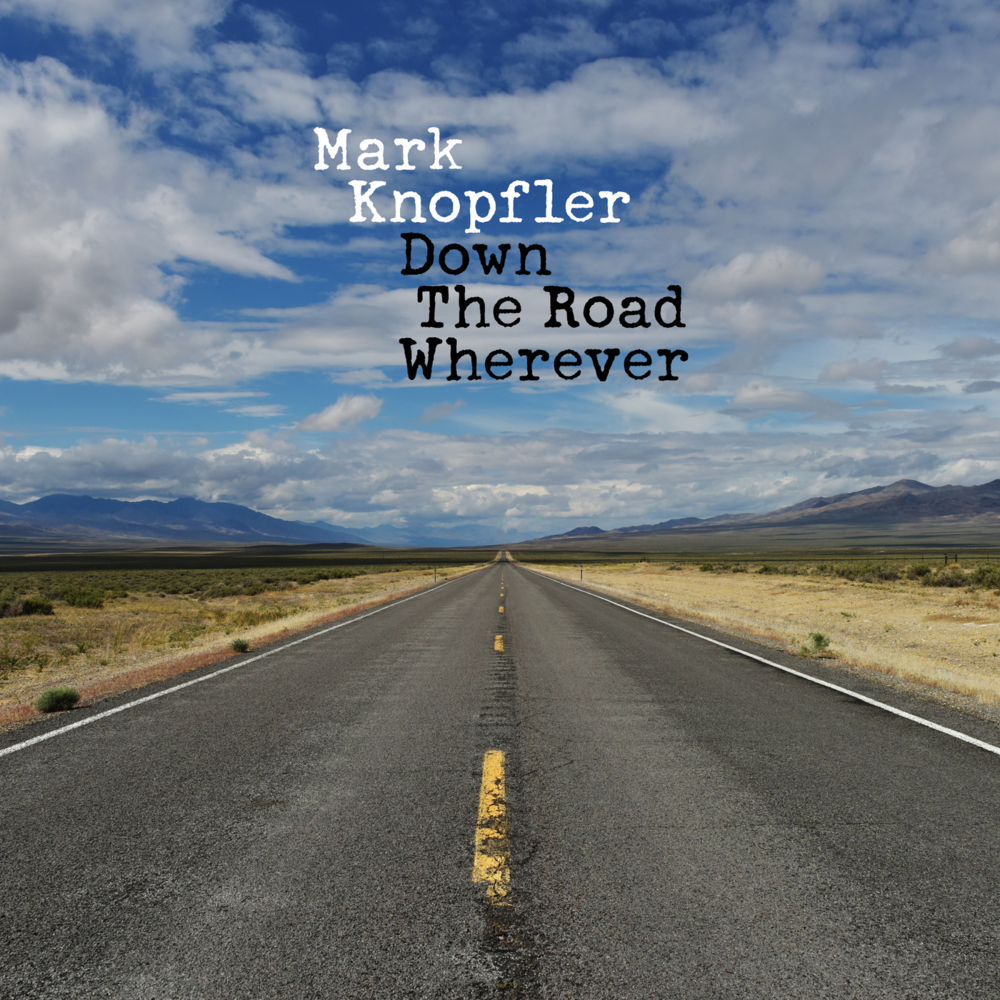
Mark Knopfler's "Drovers' Road" isn't just a song; it's a melancholic longing for a simpler, perhaps idealized, past. The drover's road itself becomes a potent symbol, representing a time before the complexities and distractions of modern life. It's a path etched not just into the landscape, but into the collective memory of a culture that once valued self-reliance and community. The opening lines immediately establish this sense of wistful distance, a journey "high up where ravens fly," suggesting both physical elevation and a perspective removed from the everyday. The lyrics imply a loss of direction, a disorientation born from the stark contrast between the remembered past and the overwhelming present. The "Drovers' Road" song meaning hinges on this very contrast. It's a lament for a lost connection to the land and to each other.
The verses paint a vivid picture of that bygone era: open skies, quiet trust, and a reliance on the natural world. The invitation to "walk with me" is not merely a friendly gesture; it's an invitation to step back in time, to momentarily escape the "screens" and "shopping in our cars" that define contemporary existence. Knopfler isn't just romanticizing rural life; he's highlighting the psychological cost of unchecked progress, the creeping sprawl that erodes both the physical landscape and our sense of belonging. The mention of cattle grazing quietly on the hill evokes a sense of peace and harmony with nature, a stark contrast to the frenetic energy of modern society.
The curious interlude about the dog adds another layer of complexity. The dog, content to find his own way home, becomes an allegory for a certain kind of independent spirit, one that thrives outside the constraints of societal expectations. The narrator's self-deprecating line, "He's a better man than me," hints at a recognition of his own complicity in the modern world, a world where the ability to navigate independently has been somewhat dulled by convenience and conformity. Ultimately, "Drovers' Road" is a poignant reflection on what we've gained and lost in the relentless march of progress. It's a reminder that sometimes, the most meaningful journeys are those that lead us back to ourselves.
 View Artist