Song Meaning
The lyrics present a stark, almost desperate, internal conflict about the capacity for love within a relationship. The repeated "I can" initially suggests a confident assertion of ability, a readiness to give everything. This is immediately undercut by the direct contradiction: "I can love enough for the both of us" followed by "I can't love enough for the both of us." This creates a powerful tension, highlighting a struggle between the desire to fully commit and the perceived inability to meet the demands of the relationship.
The core emotional drive seems to stem from this paradox. The narrator is caught between an overwhelming desire to be with someone and a profound doubt about their own sufficiency. The repetition of "But I just want to be with you" acts as a plea, a grounding statement that cuts through the internal debate. It suggests that despite the self-doubt regarding love's capacity, the fundamental need for connection remains paramount.
The most striking aspect of the craft is the direct, almost brutal, juxtaposition of opposing statements. The simple, declarative "I can" is twisted into its negative, revealing a vulnerability that the initial assertion tried to mask. This lyrical economy, using minimal words to convey a complex emotional state, makes the internal struggle feel raw and immediate. The structure itself mirrors the back-and-forth of an anxious mind.
This lyrical approach is effective because it taps into a relatable human experience: the fear of not being enough, even when the desire to love is strong. The raw honesty of the contradiction, coupled with the simple, repeated yearning to simply be present, creates a poignant portrait of insecurity within intimacy. The listener is left with the feeling of witnessing a private, deeply felt struggle.
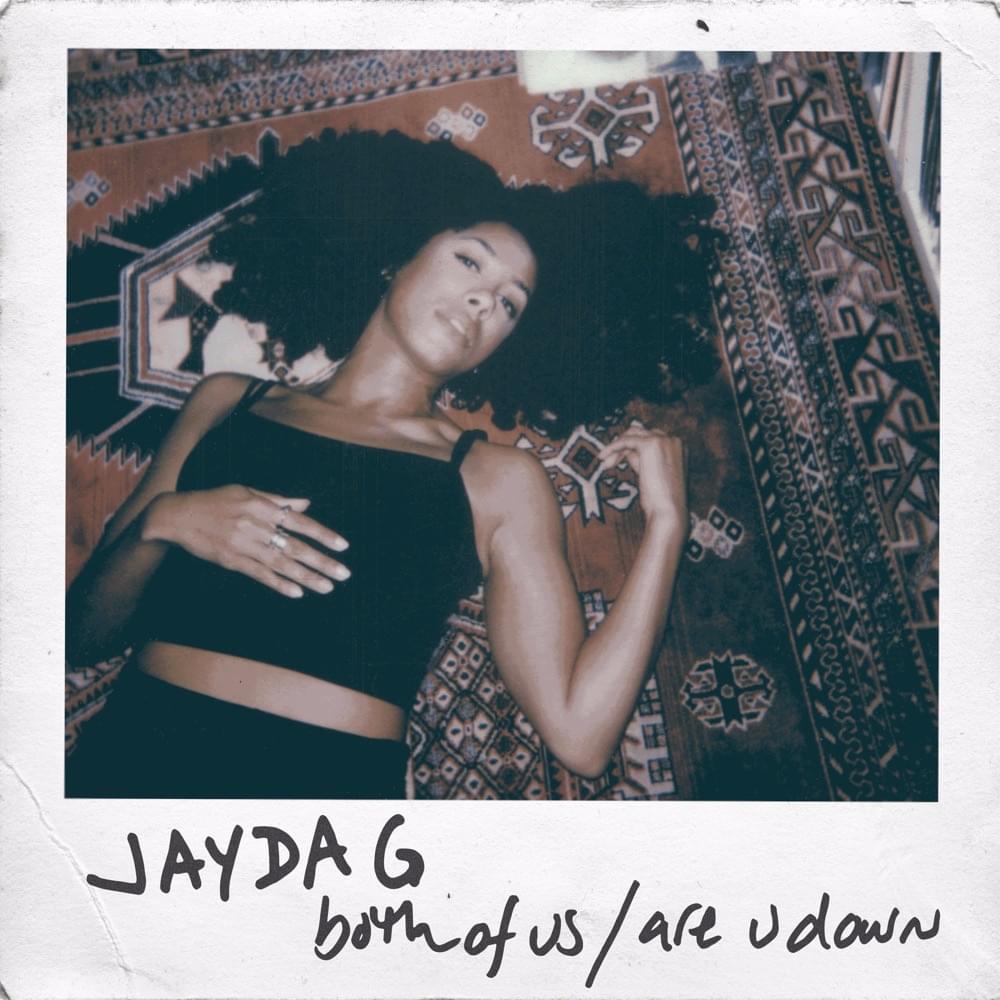
 View Artist