Song Meaning
The lyrics paint a picture of an urgent, open invitation to a place of solace and spiritual fulfillment. The opening lines immediately establish a sense of need, listing conditions like hunger, thirst, weariness, loneliness, and hurt. This creates a palpable feeling of desperation that the subsequent call to "come away" directly addresses, promising an escape from these burdens. The repeated phrase "come away" acts as a gentle but insistent beckoning, drawing the listener towards an unspecified but clearly desirable destination.
The central tension lies in the contrast between the listener's current state of suffering and the promised relief offered by the "mountain." The invitation is remarkably inclusive, explicitly stating, "Come with questions / In your heart / Come unworthy / You can come as you are." This suggests a spiritual space where judgment is absent, and acceptance is unconditional, allowing individuals to approach in any state of being, whether "like a beggar" or "like a child." The mountain itself becomes a metaphor for this sanctuary, a place to "stand in His presence" and "drink in His glory."
The most striking aspect of the craft here is the persistent, almost hypnotic repetition of the "Come to the mountain" chorus. This refrain, coupled with the imagery of "drinking in His glory" and the promise to "be made whole," builds a powerful sense of spiritual yearning and eventual redemption. The lyrics also employ a subtle but effective parallel between physical needs (hunger, thirst) and spiritual ones, suggesting that the "mountain" offers a complete restoration for both body and soul. The repeated "Be made whole" acts as a mantra, reinforcing the ultimate promise of healing and completeness.
These lyrics resonate because they tap into a fundamental human desire for belonging and peace, especially during times of hardship. The direct, simple language and the unwavering call to a sacred space create an atmosphere of profound comfort and hope. By framing the invitation in terms of unmet needs and offering an unconditional welcome, the writing effectively conveys a message of grace and spiritual renewal that feels both deeply personal and universally appealing.
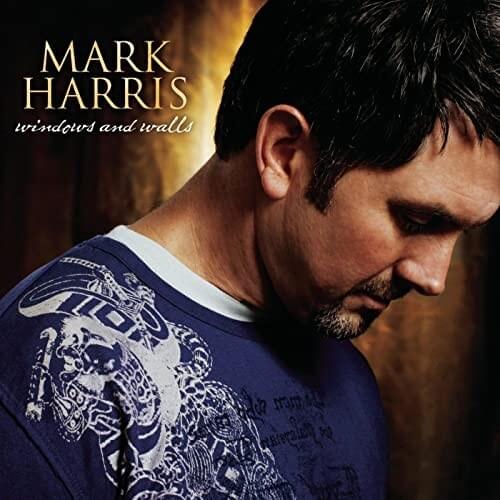
 View Artist